Signature(s)
Summary sheet
Structural programme loan (SPL) providing for the Romanian State's contribution during the 2014-2020 programming period to the environment sector operations under the large infrastructure operational programme (OP).
This structural programme loan will primarily support the implementation of the key EU directives in the water and municipal solid waste management sector in Romania and is expected to contribute to further improvement of Romania's compliance with EU drinking water and urban wastewater treatment directives.
The extension and modernisation of the water and wastewater infrastructure continues to be one of the most important priorities in improving living standards in Romania. The projects target completion of investments in those agglomerations that must be served with wastewater collection and treatment with nitrogen and phosphorous removal by 2015 and will further focus on the agglomerations above 2000 population equivalents (p.e.). The projects will also extend the provision of safe drinking water in accordance with EU standards. There are about 50 large projects expected in the water sector. As far as waste management is concerned, around 240 non-compliant landfills must be closed, the existing infrastructure must be upgraded to provide for a treatment capacity of 740kt and separate collection coverage must be extended in all counties to reach the reuse and recycling targets of 50% in line with the Waste Framework Directive (current rate being around 4%) and waste diversion requirements of the Landfill Directive.
The project, being a multi-sector multi-scheme operation classified as framework loan/structural programme loan, will have a number of effects on the environment, including reduction of pollution, reduced use of energy, increased safety, improved water and wastewater services. The Bank will require the promoter to act according to the provisions of the relevant EU directives, including the Strategic Environmental Assessment (SEA), Environmental Impact Assessment (EIA), Habitats and Birds Directives, as transposed in national law.
The Bank will require the promoter to ensure that contracts for the implementation of the project have been/shall be tendered in accordance with the relevant applicable EU procurement legislation (Directives 2004/18/EC and/or 2004/17/EC as well as Directives 89/665/EEC and 92/13/EEC) as interpreted by the Court of Justice of the EU, with publication of tender notices in the EU Official Journal, as and where required.
Documents
News & Stories
Inside the project
How and Why
Protecting the coastline and bringing back marine life
Why
- Erosion along Romania’s southern coast hurts tourism and marine life
- Lack of natural barriers results in storm surges and extreme tides, increasing risk of flooding Shrinking beaches threaten local properties and infrastructure
How
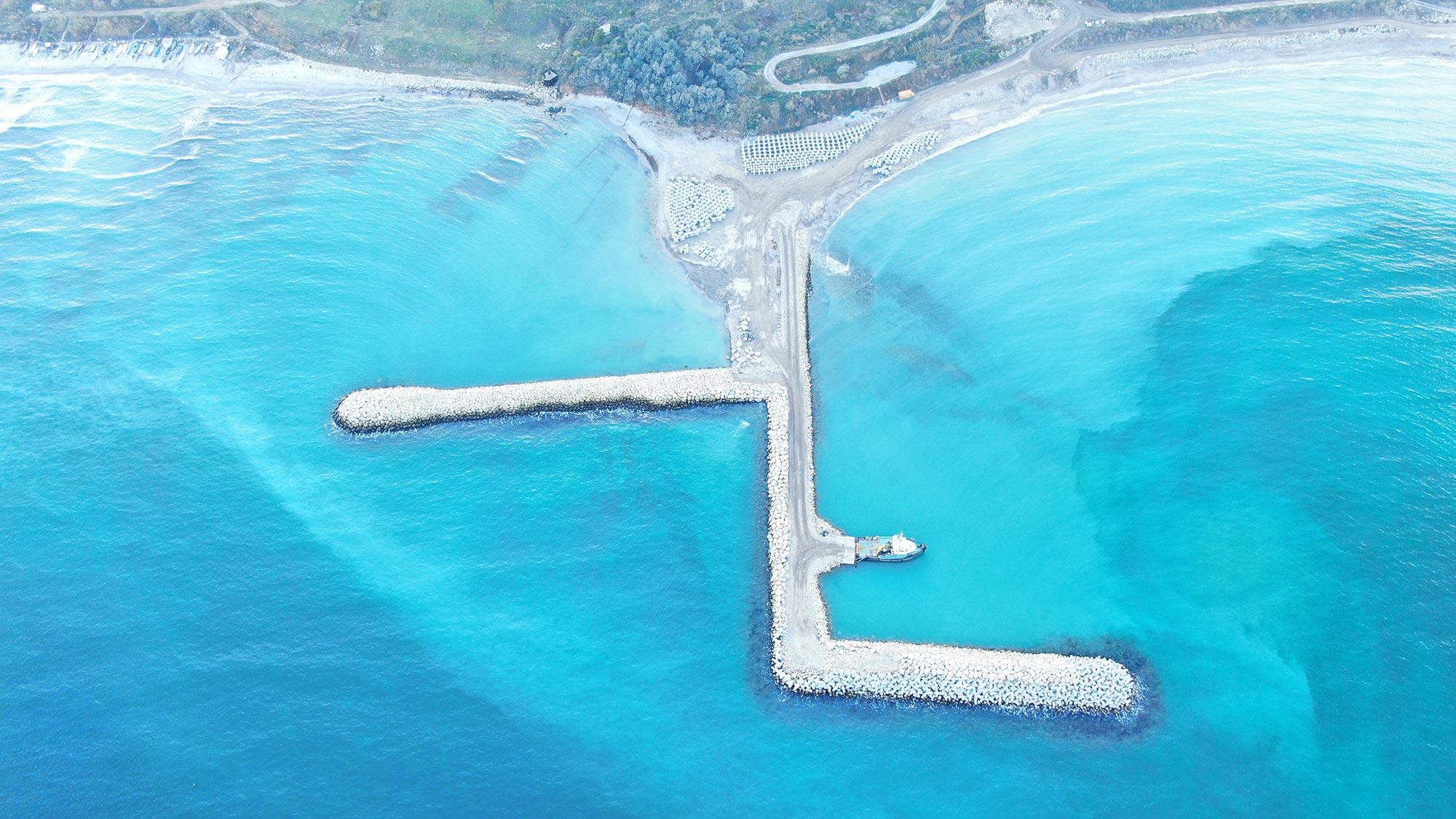
- Add sand to beaches and reinforce cliffs with stones and concrete
- Build artificial reefs and other biostructures for marine habitats, along with barriers to protect against high waves
- Renovate existing coastal infrastructure to protect over 17 000 hectares of wetlands
Sectors & Countries

Story
Construction of ports and dams accelerate erosion
Coastal erosion is a growing concern around Europe. While it’s a natural process, coastal erosion in Romania has been quickened by the construction of infrastructure like ports and defensive embankments along the Danube River. Those structures constrict the natural movement of sand and other sediment that would otherwise flow back to Black Sea coastal areas. Diminishing natural barriers, such as sandy beaches and cliffs, increase the risk of flooding or damage from storm surges, which are increasingly frequent because of climate change.

Listen to our podcast on climate adaptation:
The coastal erosion in Constanta County didn’t happen overnight. By restoring the beaches, we’re improving the coast’s natural ability to defend against extreme tides and storms.
Saving marine life
Shrinking beaches also threaten marine life. As the erosion progresses, natural habitats change, affecting sea life like plants, algae, small fish and shellfish. Shifting sand deposits may even bury or displace some species.
This second phase goes further than the first in protecting marine and coastal ecosystems. Artificial reefs and other biostructures should bring back varieties of fish, shells and sea plants that had almost been wiped out, reinforcing existing ecosystems and creating new ones.

How to deal with coastal erosion
There is more to bringing back beaches than merely depositing tonnes of sand.
The Dobrogea Litoral Administration conducted several surveys in southern Romania to measure wave patterns and force, to predict the effects of climate change and to identify the type and size of sand needed to shore up beaches and stop or slow erosion.
“While fine sand is pleasing for tourists, it’s not reliable for combatting erosion, since it’s easily carried away by the wind and the waves,” says Nicusor Buzgaru, project manager, Dobrogea Litoral Water Basin Administration. “We surveyed areas of the Black Sea and we found the proper grain size is located about 25 metres under the sea. Now we only need to transport it to dry land.”

Related media
Shoring up against erosion
Plastics and popcorn
Delivering on adaptation
Related projects and stories
Celebrating diversity, equity and inclusion at Luxembourg Pride Week
The European Investment Bank (EIB) Group is taking part in Luxembourg Pride Week from 2 to 12 July, celebrating the LGBTIQ+ community and reaffirming its strong commitment to diversity, equity and inclusion.
Local leaders and EIB join forces to pool public and private funds for affordable houses
Intensifying their cooperation with the European Investment Bank, regions and cities on 2 July discussed the EU’s housing policy with President Calvino, Members of the European Parliament and associations. During their debate in a plenary session of the European Committee of the Regions, they also voiced concerns that the next EU budget will weaken EU support for social, energy and climate projects
EIB Group Complaints Mechanism outreach and dispute resolution workshop in Zagreb, Croatia
The EIB Group Complaints Mechanism, in collaboration with the Independent Complaint Mechanism for DEG, FMO and Proparco (ICM), and the Dispute Resolution Service (DRS) of the World Bank Accountability Mechanism, organised a regional workshop in Zagreb from 8 to 11 June 2026, with the support of the CEE Bankwatch Network.