Surgery involves more than a single discipline and more than the sheer cutting and stitching up of human flesh and bone. It is an essential part of basic care, but it remains inaccessible and unaffordable for many people around the world.
The findings, interpretations and conclusions are those of the authors and do not necessarily reflect the views of the European Investment Bank
>> You can download the essay here

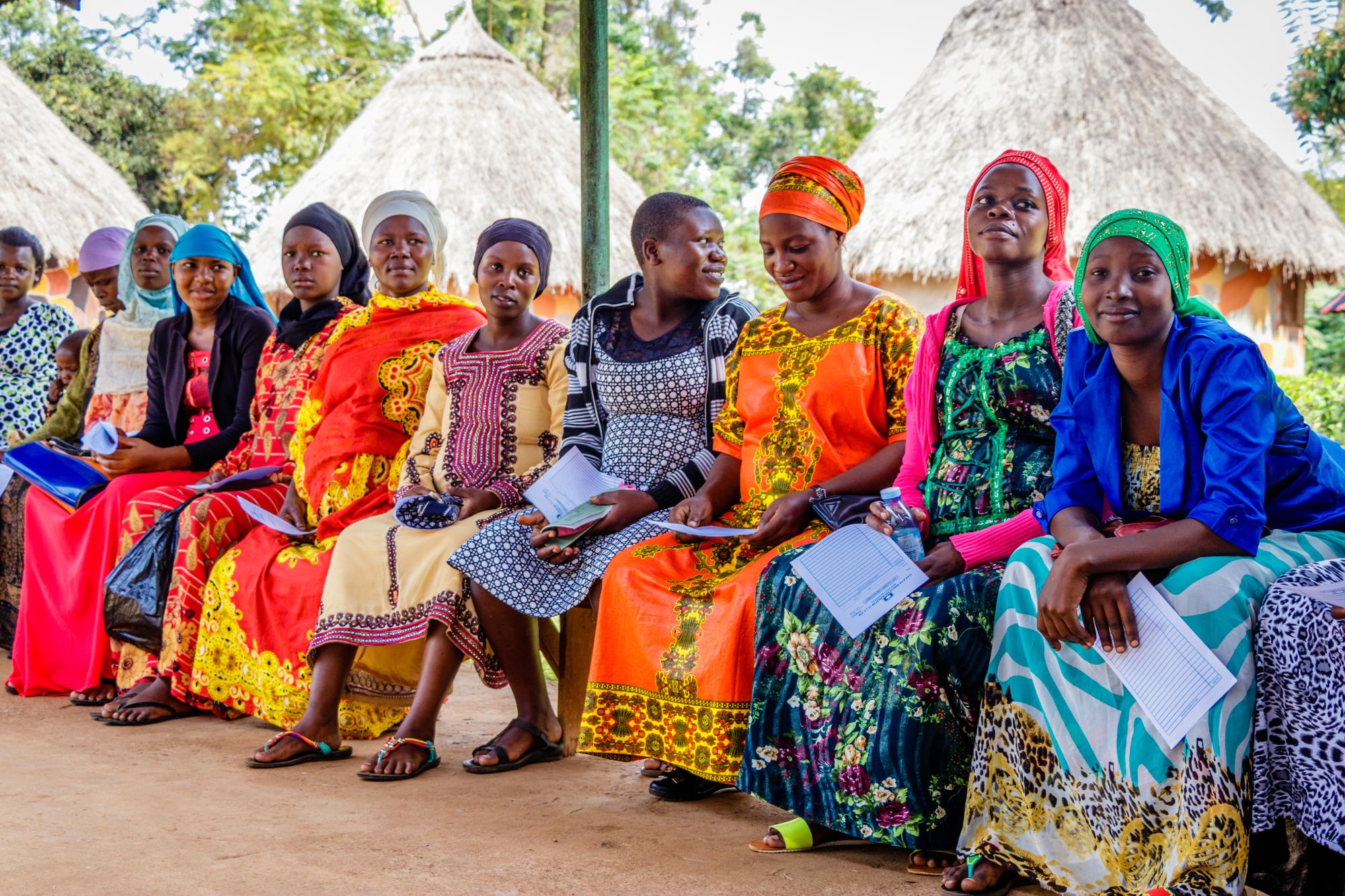
Most healthcare systems are simply not fully developed to reach everyone. And in low- and middle-income countries, the situation is even worse, as surgical care in most cases is primarily only available in urban areas.

A global public health challenge
The Lancet Commission on Global Surgery reported in 2015 that 28-32 percent of the global burden of disease requires surgical intervention and that many people worldwide (about five billion, or 70 percent of the global population) lack access to safe and affordable surgery. The majority of these people live in rural parts of the developing world.

On many occasions, when I joined my orthopaedics and plastic surgery colleagues on rural outreach for the FLYSPEC programme in Zambia, we were called in for an emergency Caesarean section or to control difficult bleeding after childbirth. We were the only skilled personnel at the rural health facilities, and we stayed for only three days at a time.
Surgical access is even more desperate when considering specialised surgical services. Many rural children born with deformed limbs cannot attend school because of the long distances, so they suffer all of their lives, when such problems could have been fixed at an early age. Prolonged bone infection is another common disease easily treated with surgery. Victims of this illness develop chronic wounds and are often treated inappropriately by health personnel who are not trained in surgery. For a skilled surgeon instead, proper surgery takes only three hours and this illness is permanently resolved.

Surgical care: not a one-man show
The delivery of surgical care is never a one-man show. It is a partnership - a team effort by different health care providers with specialized skills. However, limited surgical care training facilities, limited operating rooms and costly surgical equipment make things even more difficult in some countries.

From weakness to hope
To translate political commitments into tangible public health programmes that help all, World Health Organization has started developing National Surgical Obstetric and Anaesthesia Plans. Four countries in Sub-Saharan Africa have completed the development of their National Surgical Obstetrics and Anaesthesia Plan (Zambia, Ethiopia, Tanzania and Senegal) and many more (including Rwanda, Zimbabwe, Mozambique, Madagascar) are on the road to achieving this. These plans should, besides addressing the huge burden of neglected surgical disease, also help these countries address other public health challenges and commitments, including the Sustainable Development Goals.
Improved surgical care would strengthen the health system at the primary level and is one of the practical means of ensuring universal health coverage in a nation, but safe surgical care cannot be provided without complementary improvements in laboratory and imaging services, blood transfusions and referral services. Improving surgical care capacity will also need improvements in health financing, increased availability of essential medicines, a better health information management system that includes surgery, and better health systems governance. After the Ebola disease outbreak in West Africa in 2014, “weak health systems” were identified as the key factor in the wide spreading and difficult control of the virus.

Surgical Care as Development
Countries in the developing world are grappling with the challenge of teaching the right kinds of skills that are locally needed to their youthful populations. The United Nations High-Level Commission on Health, Employment and Economic Growth, set up in 2016, presented these three messages on how countries can foster better health care and economic growth:
- Transforming the public health workforce, including the reform of skills, could accelerate inclusive economic growth and make progress towards health equity.
- Achieving universal health coverage by increasing employment equitably for health and non-health workers is crucial for inclusive economic growth and sustainable development.
- Reforming aid and accountability for health systems. With a focus on skilled health workers, a new era of international cooperation and action for economic and human security can start.

Good health is a precondition for economic prosperity. Empowering weak health systems and giving access to surgical care in the developing countries will rise life expectancies and reduce discrimination caused by untreated disabilities, with implications for socioeconomic systems.
The EU bank supports projects which aim to ensure universal access to effective, safe and affordable healthcare services.

The findings, interpretations and conclusions are those of the authors and do not necessarily reflect the views of the European Investment Bank.
Download the essay
© European Investment Bank 2018
Photos: © Shutterstock. All rights reserved