What you need to know
Zambian farmers are gaining access to affordable finance that helps them adapt to climate change and grow their businesses
Why this matters
Agriculture is Zambia’s main source of jobs and income, but climate shocks and high borrowing costs make it hard for farmers and agri‑businesses to invest and thrive
A number that tells the story
€40 million: The amount EIB Global has provided to local Zambian banks to support farmers and agricultural small and medium-sized enterprises under the Zambia Agriculture Value Chain Facility.
Agriculture finance that builds resilience in Zambia
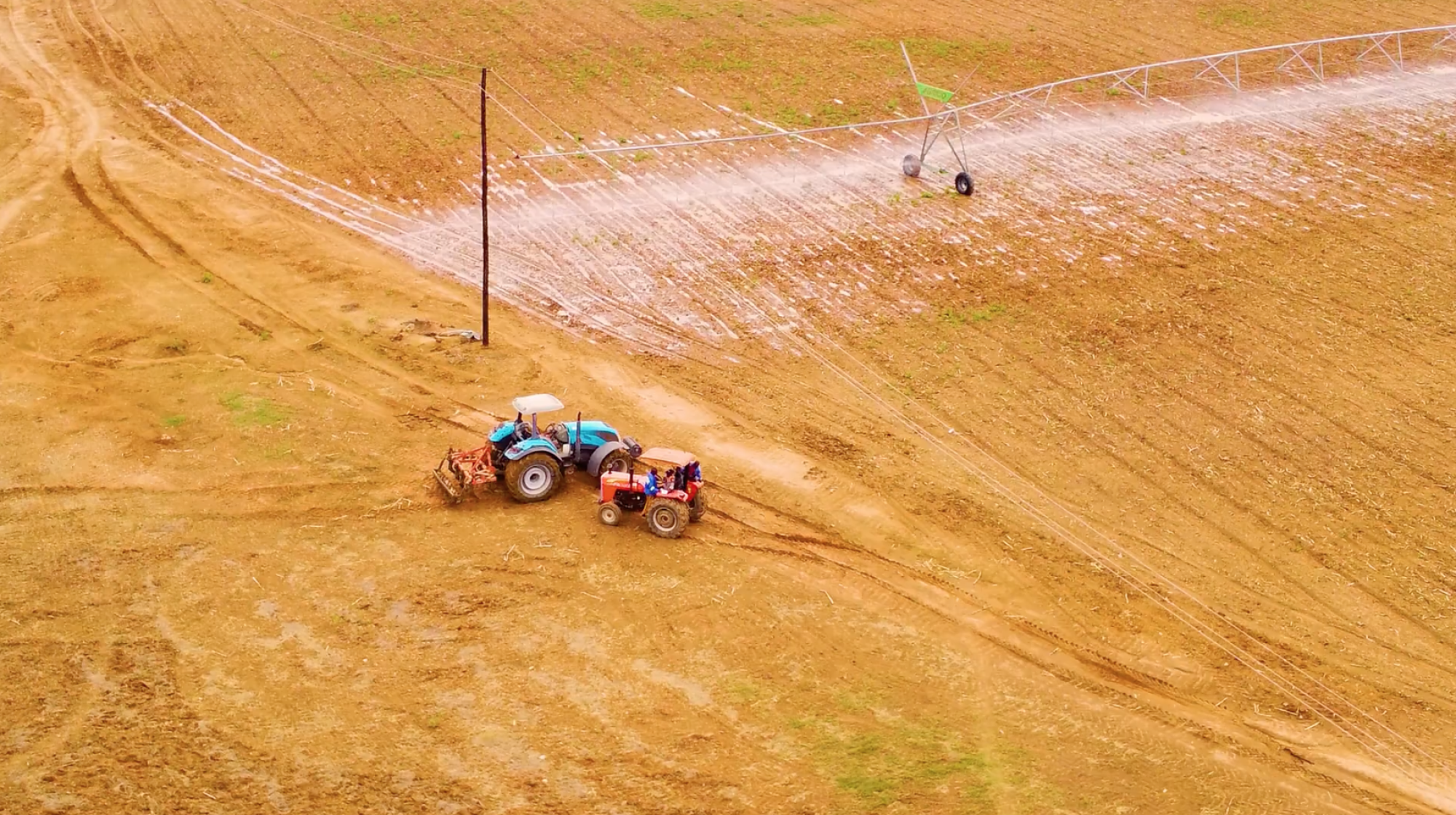
Zambia experienced its worst drought for two decades in 2024. The lack of rainfall disrupted harvests. Reduced power from hydroelectric dams led to controlled electricity shutdowns, known as load shedding, that are designed to protect the electrical grid, but they also affected essential farm operations such as irrigation and pesticide spraying.
At Matuka Farm in Mkushi, Northern Zambia, these combined shocks made it increasingly difficult to keep crops healthy. “Some of the biggest challenges we faced were drought spells and load shedding,” says Joyce Nambeye, the farm’s manager. “We couldn’t effectively farm and manage our crops. The crops would end up drying up or developing diseases.”
Access to affordable finance is one of the biggest obstacles facing farmers like Nambeye. Agriculture is widely considered a high‑risk sector, leaving many farmers and agricultural small and medium-sized enterprises (SMEs) locked out of credit or forced to borrow at very high interest rates.

The Zambia Agriculture Value Chain Facility aims to counter this problem. With this Facility, EIB Global is helping to close financing gaps in one of the country’s most important sectors. Supported by the European Commission, the Facility delivers:
- Long‑term loans tailored to agriculture investment cycles
- Access to finance for farmers and agricultural SMEs who might otherwise struggle to get a loan
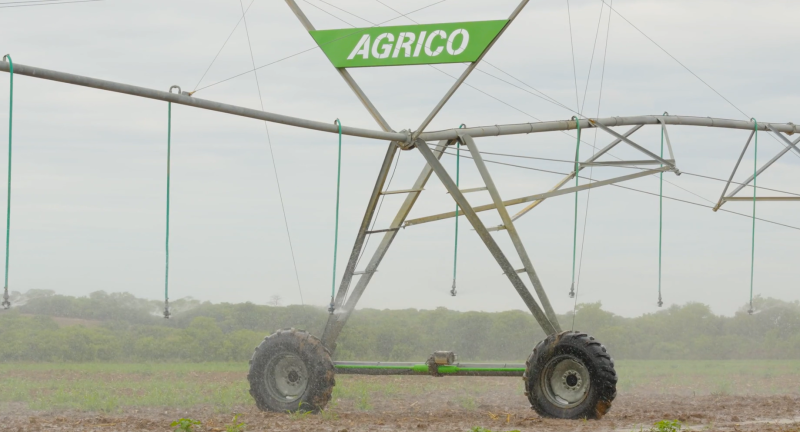
- Support for irrigation, equipment and climate‑resilient farming
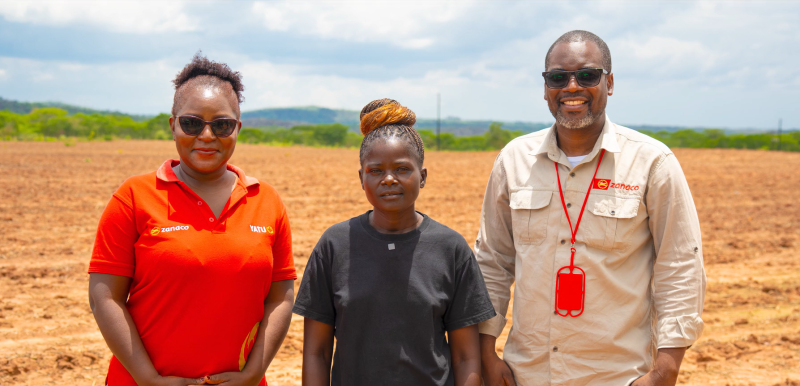
The Facility backed Matuka Farms and Galaunia Farms, situated in the country's capital, Lusaka.
“The critical thing for us was the nature of the borrowing, that we would be able to borrow in dollars,” says Mark Lacey, managing director at Galaunia. “This is because we sell our crops – wheat and soya – in dollars and we buy some of our inputs and machinery in dollars. Being able to borrow in dollars at a much more viable interest rate means that we can be profitable and look after our staff as well as give back to the local community.”
What the EIB does for agriculture in Zambia
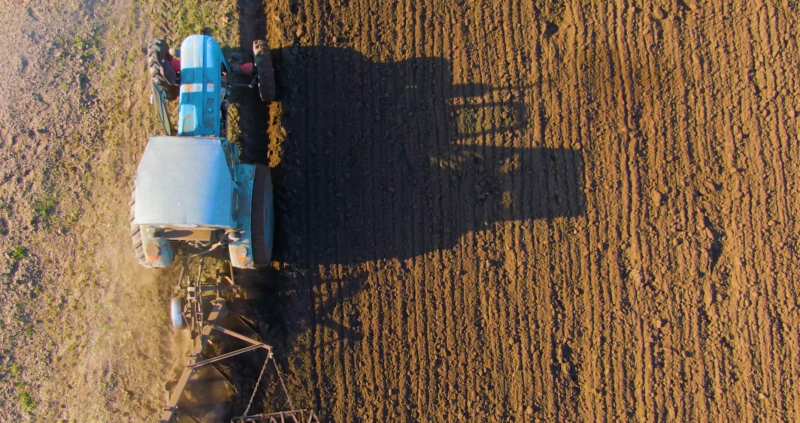
Since 2021 EIB Global, which carries out operations beyond the European Union for the European Investment Bank, has provided €40 million to three Zambian banks — Zambia National Commercial Bank (ZANACO), First Capital Bank and Zambia Industrial Commercial Bank (ZICB) — to expand lending across the agri‑food value chain. Demand for loans has been strong. Funds channelled through ZANACO have already been fully taken up.
The European Union provides a portfolio guarantee (or a risk-sharing facility) that complements the credit lines offered to the financial intermediary banks. This is intended to benefit private sector companies operating in the agri-food sector in Zambia. This risk-sharing cuts credit risk for financial intermediaries by acting as a safety net that, in turn, increases the banks’ appetite to extend its financing to riskier or smaller companies. It incentivises banks to increase access to finance for clients with limited collateral. Ultimately this attracts private investors to the sector.
Technical assistance backed by EU funds strengthens the capacity of Zambian financial intermediaries to lend to agrifood enterprises. It also trains farmers on sustainable practices and how to commercialize their operations.
Expert insight

Charmaine Lebese, business analyst at EIB Global, works with financial institutions across Southern Africa.
Q: Why does finance matter for food security?
A: Smallholder farmers are the backbone of Zambian agriculture, accounting for approximately 80% of the country's agricultural production. Agriculture also employs between 50-70% of the workforce. SMEs play a vital role by linking small farmers to markets, adding value to farm products and driving economic change. They require capital to achieve their growth objectives.
Q: What does this tell us about the way EU programmes work?
A: We met farmers who have increased production with some being exported to European markets, while they also imported machinery for their operations. This brings to life the win-win outcomes that are the goal of the Global Gateway strategy.

What is Global Gateway?
Global Gateway is the European Union’s strategy for investment aimed at sustainable economic development and connections worldwide, with a focus on the digital, climate, energy, transport, health, education, and research sectors.

Tangible impact
For borrowers like Amadeus International, the impact is tangible.
“When ZANACO introduced me to the EIB offer, we did some paperwork and cashflows and there we go—we got funding from them,” says Rajendra Patel, the managing director of Amadeus International.
“The funding has supported the setup of extra irrigation on the land, which has led to increased hectarage, and we can now do double cropping. We are protected from drought during the dry season, and all these are driving more revenue generation.”

Key facts summary
- €40 million provided by EIB Global through 3 local banks
- Up to 70% of Zambia’s workforce employed in agriculture sector
- Facility aligned with EU Global Gateway strategy
Read more about
A breath of fresh air in African kitchens
European Investment Bank helps BURN distribute safe cookers and promote gender equality in Africa.
Global partnerships build stronger Zimbabwe economy
Partnerships between Africa and Europe focus on private businesses as building blocks for more jobs and more stable communities
Cocoa with a conscience: Funding fair and forest‑friendly beans
EIB finance helps Ivory Coast produce sustainable cocoa that avoids deforestation and child labour while improving agricultural practices
ZAMBIA AGRICULTURE VALUE CHAIN FACILITY
The project comprises an intermediated facility for on-lending to eligible private agri-food sector investments in Zambia.