Ce qu’il faut retenir
Les agricultrices et agriculteurs zambiens accèdent à un financement abordable qui les aide à s’adapter aux changements climatiques et à développer leurs activités.
Pourquoi c’est important
L’agriculture est la principale source d’emplois et de revenus de la Zambie, mais les chocs climatiques et le coût élevé du crédit empêchent les exploitantes et exploitants agricoles, ainsi que les entreprises agroalimentaires, d’investir et de prospérer.
Un chiffre parlant
40 millions d’euros : c’est le montant que BEI Monde a mis à la disposition de banques locales zambiennes pour soutenir les agricultrices et agriculteurs, ainsi que les petites et moyennes entreprises agricoles, dans le cadre du mécanisme « Zambia Agriculture Value Chain Facility ».
Un système de financement agricole qui renforce la résilience en Zambie
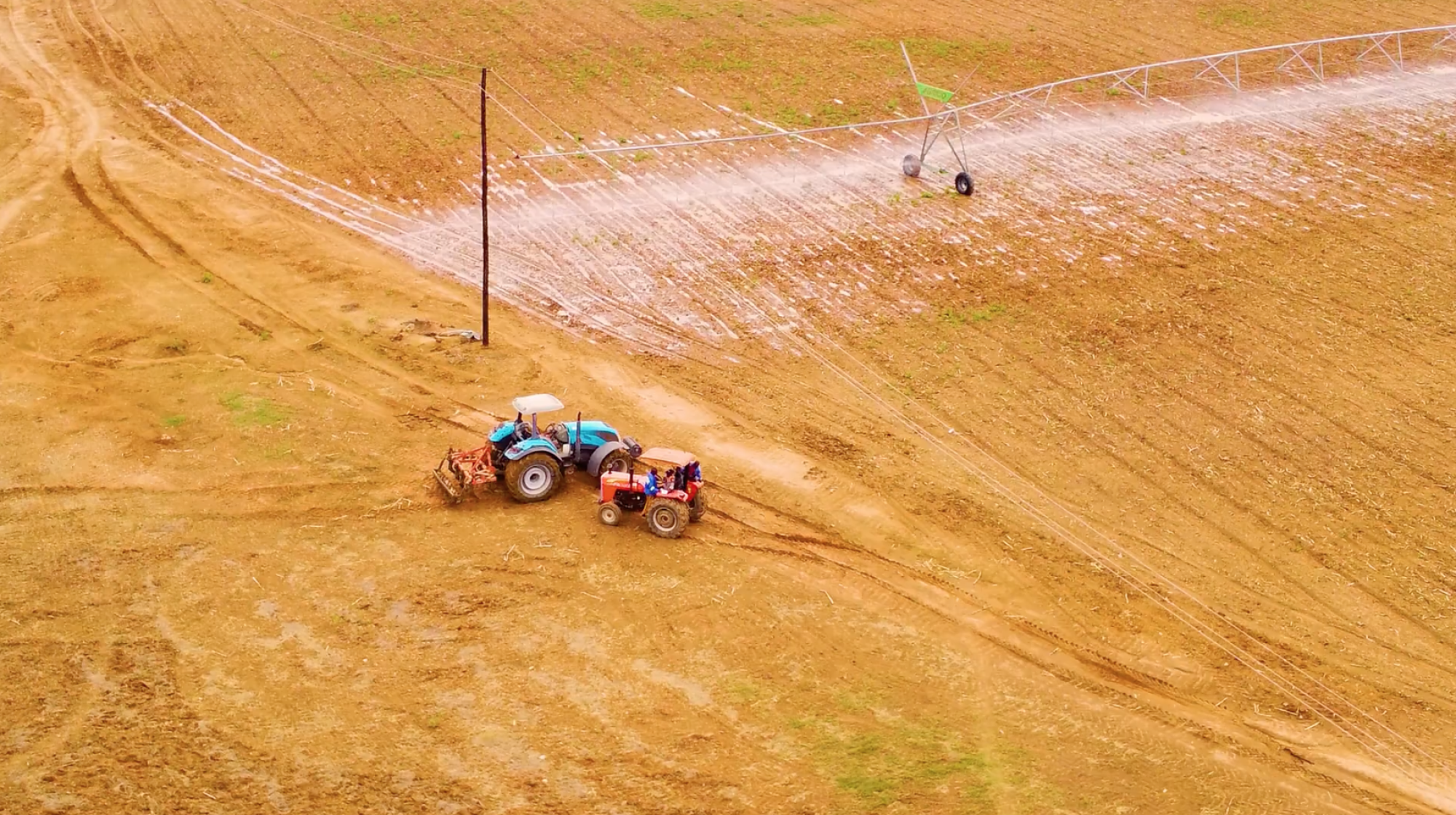
La Zambie a connu en 2024 sa pire sécheresse depuis vingt ans. Le manque de précipitations a perturbé les récoltes. La baisse de la production d’électricité des barrages hydroélectriques a entraîné des coupures d’électricité contrôlées, appelées « délestages », qui sont conçues pour protéger le réseau, mais ont également eu des incidences sur des opérations agricoles essentielles telles que l’irrigation et la pulvérisation de pesticides.
Dans l’exploitation Matuka à Mkushi, dans le nord de la Zambie, ces chocs combinés ont rendu de plus en plus difficile le maintien des cultures en bonne santé. « Les périodes de sécheresse et les délestages figurent parmi nos plus grands défis », explique Joyce Nambeye, gestionnaire de l’exploitation. « Nous ne pouvions pas cultiver et gérer nos cultures efficacement. Les cultures finissaient par se dessécher ou par développer des maladies. »
L’accès à un financement abordable est l’un des principaux obstacles auxquels sont confrontés les exploitantes et exploitants agricoles, comme Joyce Nambeye. Du fait que l’agriculture est largement perçue comme un secteur à haut risque, de nombreux agriculteurs et petites et moyennes entreprises (PME) agricoles sont exclus du crédit ou contraints d’emprunter à des taux d’intérêt très élevés.

Le mécanisme Zambia Agriculture Value Chain Facility vise à remédier à ce problème. Grâce à ce dispositif, BEI Monde contribue à combler les déficits de financement dans l’un des secteurs les plus importants du pays. Soutenu par la Commission européenne, ce mécanisme propose :
- des prêts à long terme adaptés aux cycles d’investissement du secteur agricole ;
- un meilleur accès au financement pour les exploitantes et exploitants agricoles ainsi que pour les PME agricoles qui, autrement, auraient du mal à obtenir un prêt ;
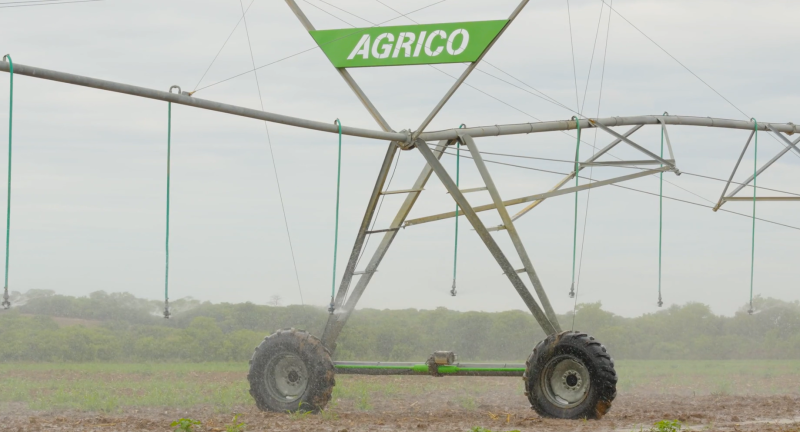
- un appui à l’irrigation, à l’équipement et à des pratiques agricoles résilientes face aux changements climatiques.
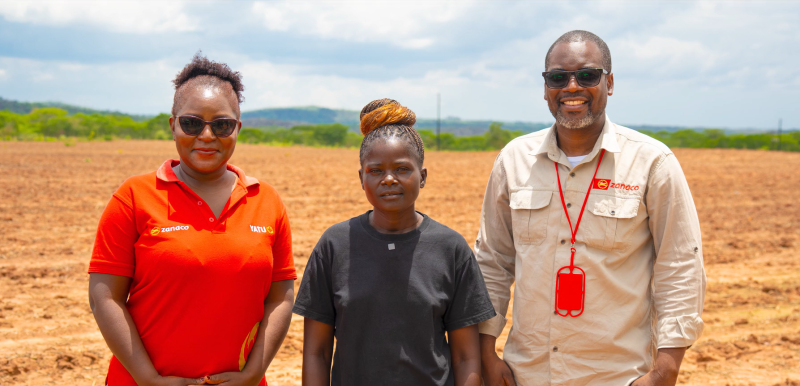
Le mécanisme a permis de soutenir les exploitations Matuka et Galaunia, situées dans la capitale du pays, Lusaka.
« L’essentiel pour nous tient à la nature de l’emprunt : pouvoir emprunter en dollars », explique Mark Lacey, gestionnaire de l’exploitation Galaunia. « Nous vendons nos cultures – blé et soja – en dollars et nous achetons une partie de nos intrants et de nos machines en dollars. Pouvoir emprunter en dollars à un taux d’intérêt beaucoup plus avantageux nous permet d’être rentables, de prendre soin de notre personnel et de redonner à la communauté locale. »
Ce que la BEI fait pour l’agriculture en Zambie
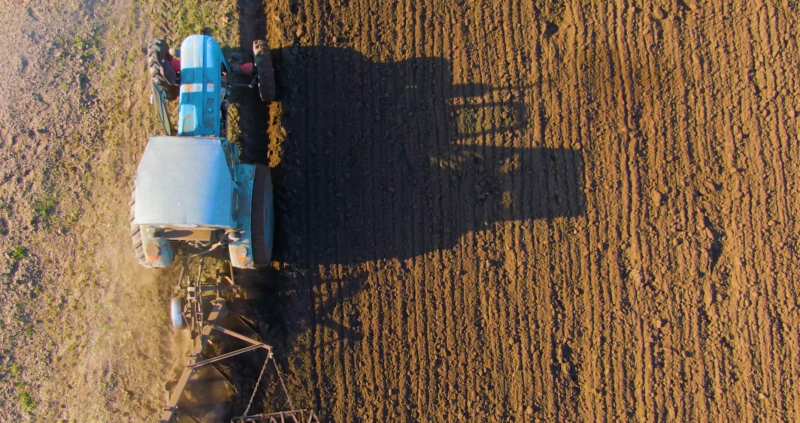
Depuis 2021, BEI Monde, qui est la branche de la Banque européenne d’investissement spécialisée dans les opérations en dehors de l’Union européenne, a octroyé 40 millions d’euros à trois banques zambiennes – Zambia National Commercial Bank (ZANACO), First Capital Bank et Zambia Industrial Commercial Bank (ZICB) – afin d’accroître les financements dans l’ensemble de la chaîne de valeur agroalimentaire. La demande de prêts a été forte. Les fonds acheminés par l’intermédiaire de ZANACO ont déjà été entièrement utilisés.
L’Union européenne apporte une garantie de portefeuille (ou mécanisme de partage des risques) qui vient compléter les lignes de crédit offertes aux banques intermédiaires. Ce dispositif est destiné à soutenir les entreprises agroalimentaires du secteur privé en Zambie. Ce partage des risques réduit le risque de crédit pour les intermédiaires financiers en jouant le rôle de filet de sécurité, ce qui augmente la propension des banques à financer des entreprises plus petites ou présentant un profil plus risqué. Il incite les banques à améliorer l’accès au financement pour les clients disposant de garanties limitées. En fin de compte, il attire des investisseurs privés vers le secteur.
L’assistance technique financée par des fonds de l’UE renforce la capacité des intermédiaires financiers zambiens à prêter aux entreprises agroalimentaires. Elle permet également de former les agricultrices et agriculteurs aux pratiques durables et à la commercialisation de leurs activités.
Point de vue d’une spécialiste

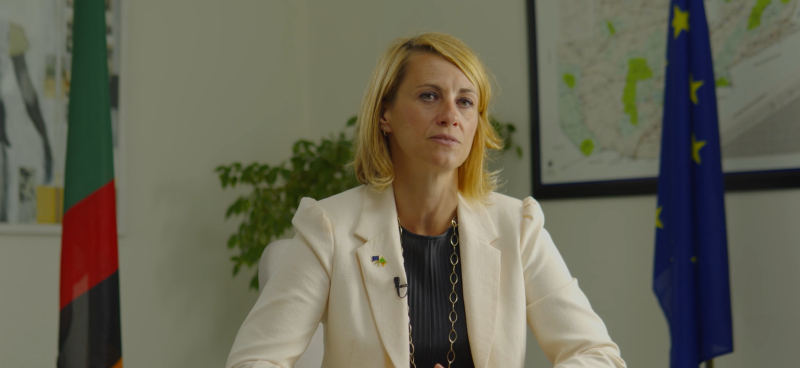
Charmaine Lebese, analyste économique au sein de BEI Monde, travaille avec des institutions financières dans toute l’Afrique australe.
Q : Pourquoi le secteur financier est-il important pour la sécurité alimentaire ?
R : Les petits exploitants agricoles sont l’épine dorsale de l’agriculture zambienne, puisqu’ils représentent environ 80 % de la production agricole du pays. L’agriculture emploie également entre 50 % et 70 % de la main-d’œuvre. Les PME jouent un rôle essentiel en reliant les petits exploitants agricoles aux marchés, en apportant une valeur ajoutée aux produits agricoles et en impulsant le changement économique. Elles ont besoin de capitaux pour atteindre leurs objectifs de croissance.
Q : Qu’est-ce que cela nous apprend sur le fonctionnement des programmes de l’UE ?
R : Nous avons rencontré des agricultrices et agriculteurs qui ont augmenté leur production, dont une partie est exportée vers les marchés européens, tout en important des machines pour leurs exploitations. Cela illustre les résultats mutuellement bénéfiques qui sont au cœur de la stratégie « Global Gateway ».

Qu’est-ce que la stratégie « Global Gateway » ?
La stratégie « Global Gateway » est la stratégie d’investissement de l’Union européenne visant à promouvoir un développement économique durable et une meilleure connectivité dans le monde entier, en mettant l’accent sur les secteurs du numérique, du climat, de l’énergie, des transports, de la santé, de l’éducation et de la recherche.
Impact concret
Pour des emprunteurs comme Amadeus International, l’impact est concret.
« Lorsque ZANACO m’a présenté l’offre de la BEI, nous avons préparé le dossier et les prévisions de trésorerie et, très vite, nous avons obtenu un financement de leur part », explique Rajendra Patel, directeur général d’Amadeus International.
« Ce financement a permis de mettre en place une irrigation supplémentaire sur les terres, ce qui a augmenté la superficie cultivée, et nous pouvons désormais pratiquer la double culture. Nous sommes protégés de la sécheresse pendant la saison sèche, et l’ensemble de ces éléments contribue à générer davantage de revenus. »

Résumé des données clés
- 40 millions d’euros mis à disposition par BEI Monde par l’intermédiaire de trois banques locales
- Jusqu’à 70 % de la main-d’œuvre zambienne employée dans le secteur agricole
- Mécanisme aligné sur la stratégie « Global Gateway » de l’UE
En savoir plus
Une bouffée d’air frais dans les cuisines africaines
La BEI aide BURN à commercialiser des appareils de cuisson électriques, abordables et sûrs, et à promouvoir l’égalité entre les femmes et les hommes en Afrique.
Un cacao engagé : financer des fèves équitables et respectueuses des forêts
Des financements de la BEI aident la Côte d’Ivoire à produire un cacao durable sans déforestation ni travail des enfants et à améliorer les pratiques agricoles
ZAMBIA AGRICULTURE VALUE CHAIN FACILITY
The project comprises an intermediated facility for on-lending to eligible private agri-food sector investments in Zambia.