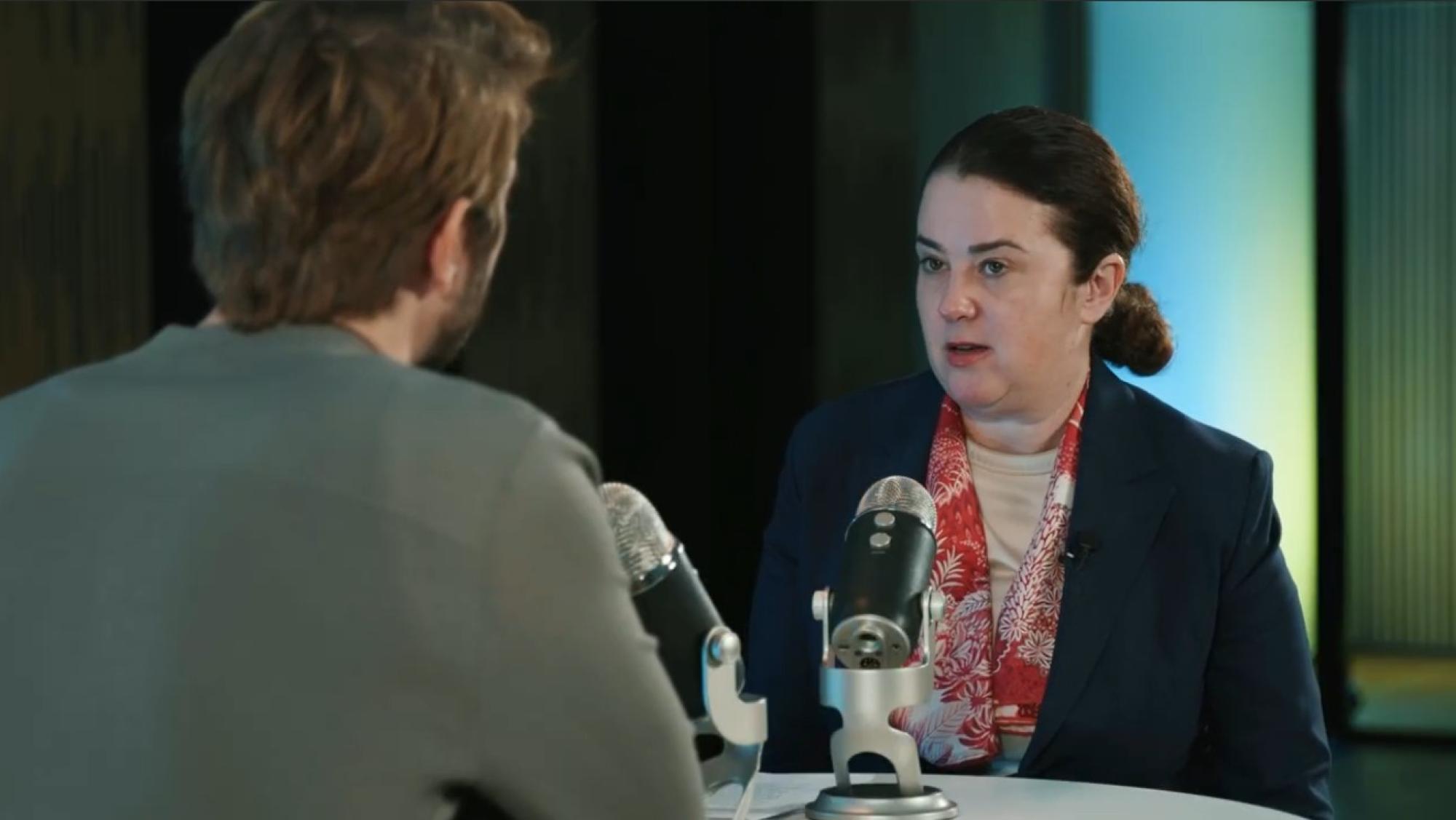
“Social investment is at the heart of Europe’s economic success.”

Invested by Europe explores the forces shaping the European economy. In each episode, we hear from experts tackling the most pressing challenges—from housing and energy to innovation and infrastructure, security and defence. We look at what’s changing, what the solutions are, and how Europe is investing in its future.

What this episode is about
Social investment shapes the fabric of everyday life in Europe — from the schools children attend and the homes people live in, to access to healthcare, childcare and lifelong learning. In this episode of the Invested by Europe podcast, we explore why investing in social infrastructure is not only a social imperative, but a cornerstone of Europe’s long‑term economic success.

The conversation in brief
Social investment covers the services and infrastructure people rely on throughout their lives — education, health, childcare, housing and training — and plays a central role in Europe’s economic and social model. Emily Sinnott explains how these investments act both as insurance against life’s risks and as enablers, allowing people to participate more fully in the labour market and contribute to society.
The discussion highlights the economic stakes. According to EIB analysis, increasing workforce participation among women and disadvantaged groups could boost EU GDP by around 4%, helping to offset the impact of an ageing population. Yet gaps remain. Europe faces a shortage of around 750,000 childcare places, while housing affordability has become one of the most pressing concerns for citizens, with construction levels still below pre‑financial‑crisis peaks. Meeting demand will require innovation to raise productivity, investment in energy‑efficient homes, and a major expansion in the supply of affordable housing — with Europe needing more than two million additional homes.
Skills and labour shortages are another growing challenge, with 77% of EU firms reporting difficulties in finding skilled workers. While longer, healthier working lives offer opportunities, the conversation stresses the importance of training and upskilling — especially as digitalisation and AI reshape workplaces. Early education is critical, as learning outcomes at age 18 strongly influence participation in training later in life.
Despite mounting fiscal pressures, the episode argues that social investment remains essential. Innovation, including the smart use of AI, can help deliver services more efficiently. Through around €10 billion of annual investment, the EIB is stepping up support across social sectors — particularly affordable and sustainable housing — reinforcing the foundations of Europe’s economic and social future.
Key takeaways
- Helps more people participate in and contribute to Europe’s economy.
- Closing gaps in childcare, housing and skills could significantly boost productivity and GDP, while helping Europe adapt to demographic change.
- By investing at scale in social infrastructure and innovation, the EIB is strengthening the foundations of the European social model for the long term.
About the guest
Emily Sinnott
Head of policy and strategy in the European Investment Bank’s economics department.
Listen and subscribe to Invested by Europe
You can watch or listen to Invested by Europe on:
- The full series on our website
- Apple Podcasts
- Spotify
- Deezer
- — or find us on your favourite podcast platform.
New episodes are released weekly.
Explore more
Affordable homes bring key workers closer to Prague
New affordable housing in Prague offers key workers stable rents, shorter commutes and a chance to live closer to the city they serve.
More homes. Better homes
EU’s commitment to renovating for energy efficiency, building affordable housing, and innovating the construction sector
Bridging opportunity gaps: EIB Group investments in education, health and housing
This study shows how targeted investment in schools, healthcare and affordable and sustainable housing drives inclusion, resilience and long-term growth across the European Union.