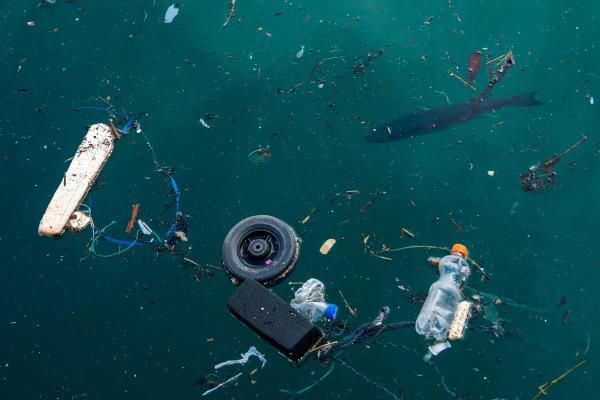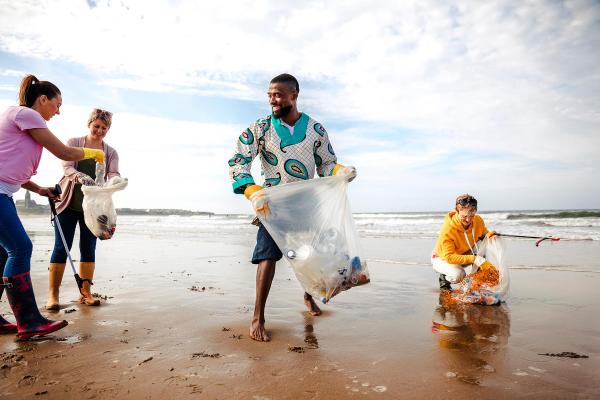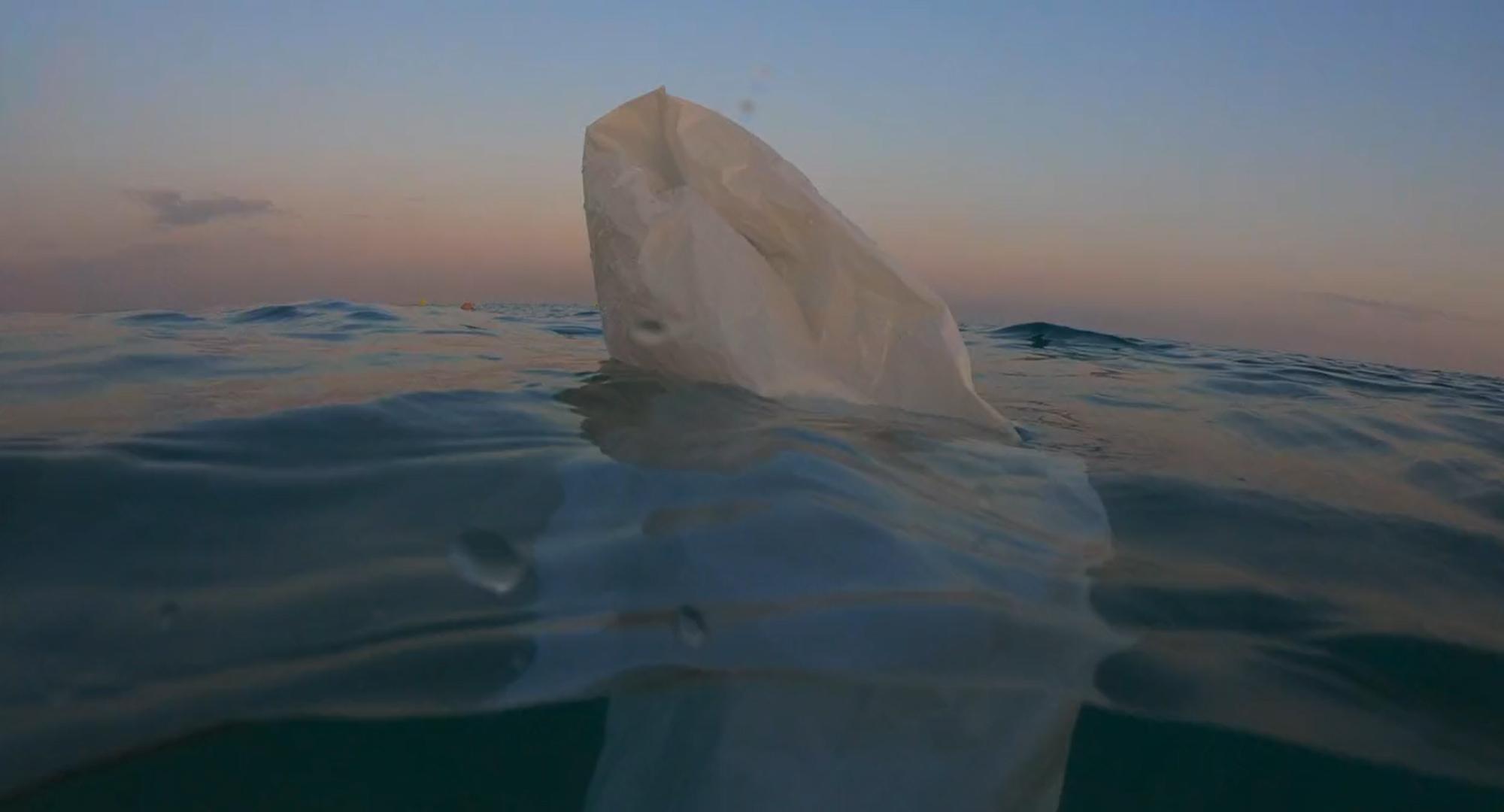
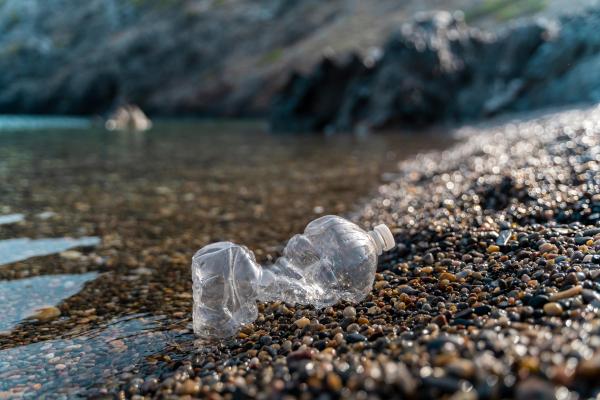
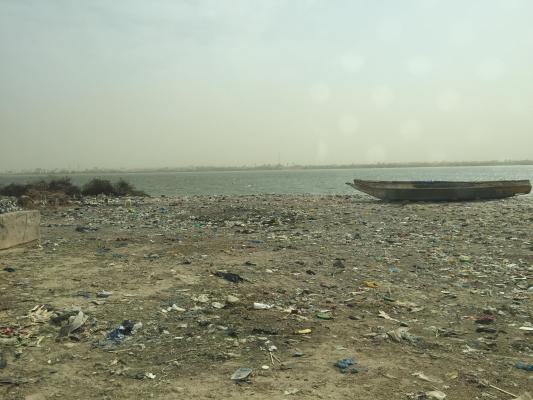
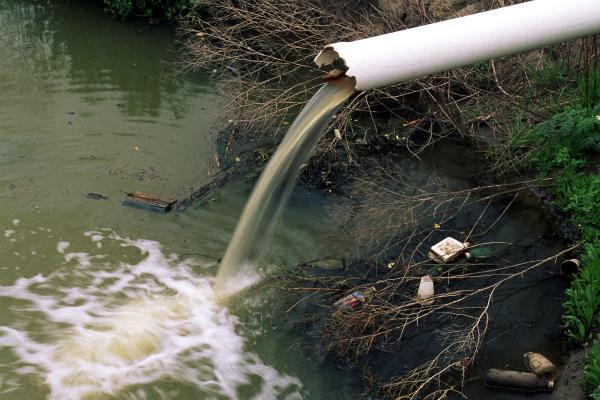
Plastics are thrown or washed into streets, backyards, rivers, beaches and coastal areas all over the world.
By Juan Bofill
The oceans face many threats, but plastic waste is one risk we can reduce today with harder work.
Plastic waste is entering the seas in greater quantities each year and in many countries there is little control because of improper management of solid waste. This type of pollution may start innocently as a bottle of water on a store shelf, before being dumped on a street or in a park and starting its long journey down rivers and into the seas and oceans. The problem is being made worse by the COVID-19 pandemic, because of protective gear such as masks that aren’t disposed of correctly.
These plastics are a significant—but not insurmountable—environmental threat. We’re working on ways to finance the solutions to this growing problem.
The invisible obstacle
Much of the plastic around the world that enters the seas is in the form of particles smaller than 5 millimetres wide. These are called microplastics and it is common to find them in aquatic animals, which have ingested them. Much more research is needed on this topic, but microplastics are a direct threat to aquatic life and may indirectly hurt organisms that eat aquatic life—including humans.
In the European Union, many microplastics are captured by stormwater or wastewater collection systems and transported to treatment plants, which may be capturing up to 99% of the small particles. The captured microplastics end up in the sludge produced by treatment plants, and since this sludge is often used as fertiliser for farms, it can get back into the water through runoff. In this way, some of the microplastics in sludge could be entering the waterways, even after treatment plants do their work.
Microplastics are classified by some researchers as “primary” or “secondary.” Some primary microplastics are added to products on purpose, such as microbeads used in toothpaste and sunscreen. Other primary microplastics are created when tyres wear down on roads or when clothes rub together in a washing machine. Secondary microplastics form when plastic breaks down into smaller fragments in the water, such as what happens when a nylon fishing net is lost in the ocean. There is also larger plastic waste, such as plastic bottles. This type of waste is called macroplastic, and it could be stopped by putting in place proper waste management. Microplastics are the nearly invisible obstacle that can’t be solved easily. Many of the solutions for keeping these tiny plastics out of the waterways are still in development.


What’s so bad about a little plastic?
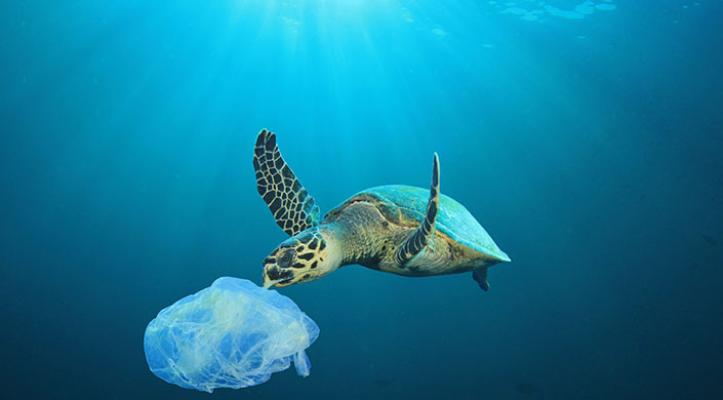
There is some evidence that microplastics harm aquatic life. Fish often mistake plastic particles for food. When they eat the plastic, it can block digestive tracts, which then sends incorrect feeding signals to the brains of the animals. A turtle can die from eating a plastic bag, but smaller particles accumulate in the digestive system without killing the animal. Some other microplastics end up in the food chain when humans eat fish or seafood.
Reducing microplastics in water bodies could lead to fewer deaths and increased fertility of aquatic animals in oceans. This would increase the value of fisheries and aquaculture, and it would improve public health.
Reducing microplastics in water bodies could lead to fewer deaths and increased fertility of aquatic animals in oceans.
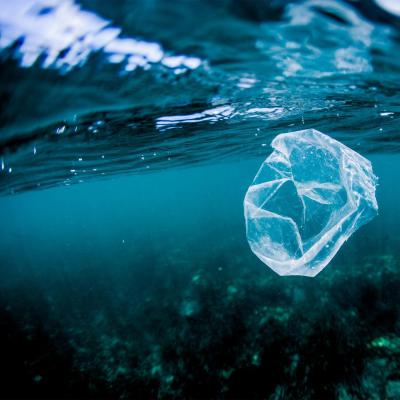
We still have to do a lot more work and adopt more policies to collect microplastics after they have entered the environment. Conventional wastewater treatment plants can capture up to 99% of microplastics (mainly originating from textiles) in sewage water, meaning that almost all microplastics from wastewater can be collected by modern treatment plants.
In the European Union, at least 90% of wastewater already receives this conventional treatment – capturing microplastics and storing them in sewage sludge. This sludge is mostly used as fertiliser, incinerated or dumped in a landfill, which is an activity that does not meet the circular economy principle and will not be allowed in the future.
If all stormwater and sewage water in the world are collected and we avoid discharges into water bodies, we could stop most microplastics from reaching the oceans. An update to the EU rules on urban wastewater and drinking water will be a major step toward the collection of microplastics.