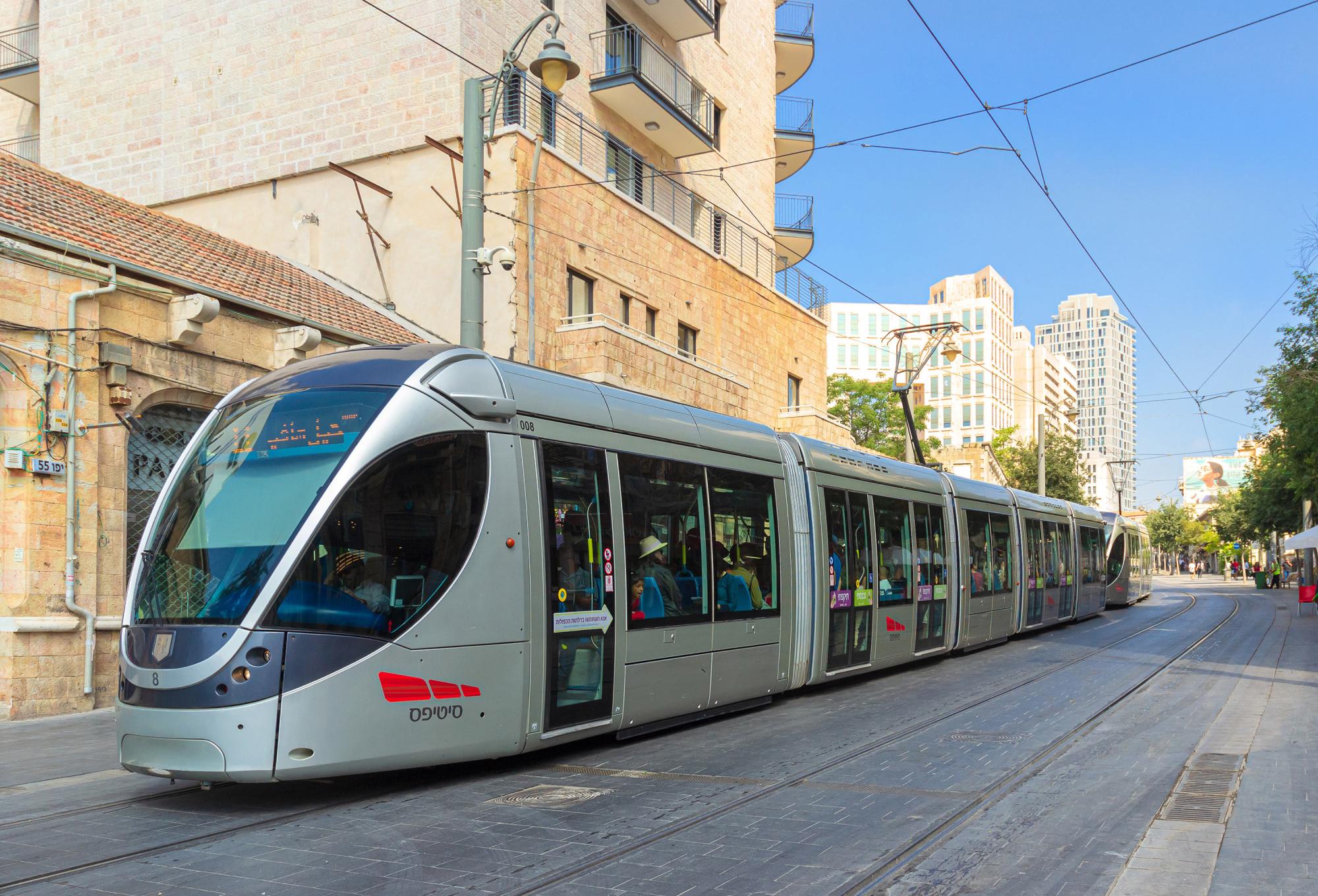
Construction costs can vary wildly depending on local conditions, and also the need for tunnelling in poor soil conditions, as well as underground or elevated sections. While some tram systems can be delivered at lower costs, hard conditions can inflate that cost by ten times or more.
Public transport is crucial for green recovery, decarbonisation, liveable cities, and the creation of sustainable mobility within dense urban centres. With countries pressing to meet climate goals, decision-makers are seeking to expand and modernise public transport.
Building extensive and highly sophisticated public transport requires long-term investments and the redesign of the entire transit system of the city. But funding is not the only crucial factor for the success of a transport project. It is also important to make public transport attractive—and to ensure that it’s the right kind of public transport for, well, the public.
For a transport project to be effective, it must be delivered around a culture of public transport use. Otherwise, the demand and positive impacts will be limited, and not worth the investment. That has implications for the kind of public transport a city chooses, as Nicosia, the capital of Cyprus, found when they asked us to assess a planned tram project.
We found that Nicosia’s overreliance on motorised transport creates challenges for the delivery of an effective tram system, as well as the obvious negative outcomes for the environment and health of its citizens. We recommended that the city should begin by building a public transport culture with an improved bus-based system, thereby enabling the expensive transport infrastructure of the future. Here’s what we found.

Why tram systems boost public transport use
Nicosia’s authorities identified the tram as a possible solution to the increased use of motorised transport. Specifically, the plan predicted the construction of a 14.5 km network consisting of three lines connecting the major centres of the urban area: Ayios Dhometios, Strovolos, Aglandjia, Dhali, Latsia, Nicosia and Engomi
Tram systems offer many benefits as a mode of transport in a modern city. First, they take up less space as they have a capacity equal to two large buses or 174 cars. This would free space for pedestrians and cyclists and boost mobility through alternative modes of transport, such as bike networks.
Trams have advantages for the economy, too. A new tram is a visible, permanent way of showing that a city is investing in the future. Dublin, for example, saw an immediate property increase of between 10% and 20% following its construction of a tram system.
Just as importantly, trams guarantee a reliable journey time and provide safe access to vital services, from commercial centres to hospitals. All these features make trams a reliable, high-quality alternative to the car.
The difficulties of building an effective tram system
Building a major tram system is not risk-free. The challenges start from an early stage. Even before construction, engineers, planners, and staff need to select routes, decide the placement of stations, conduct environmental studies, prepare designs, and deal with all the needed planning and environmental permitting. These procedures can take years. As a result, and by comparison, the construction stage is a relatively short period in the whole life-cycle of a major transport infrastructure project.
Then, there are difficulties associated with the construction itself. It is often necessary to relocate utilities, rebuild streets, dig tunnels, build bridges, lay tracks and build stations. In a heavily populated area, such as Nicosia, construction works could pose delicate social challenges to mobility, economic activity, and quality of living.

For these reasons, in 2018, Nicosia’s authorities asked JASPERS, a technical assistance initiative launched by the European Investment Bank and the European Commission, to offer an independent opinion on the implementation of the Nicosia Tram project. JASPERS review identified a number of operational, technical, and financial risks that would require focused effort during the preparation of the project. However, our experts discovered that the biggest challenge is the factor that pushed Nicosia towards this project in the first place—low public transport use.
One step at a time
For a tram system to be successful, it must be located in an area that:
- has a strong/growing culture of public transport use
- cannot be accommodated effectively by bus systems
- has in place solid policies encouraging the use of public transport.
Put simply, there must already be an underlying level of public transport use that will form the basis for the tram, which the tram investment can then continue to grow because of the improved service.
This is not the case in Nicosia. The existing public transport network is sparse and focused on those who do not have access to a car.
That is why JASPERS concluded that a phased approach would be required to make a tram system feasible in Nicosia. The first step relies on reviewing the existing tram proposal and coming up with a final concept design that has a more aggressive approach to capturing roadspace, thereby improving the performance of the tram itself, and reflecting the environment and the needs of citizens.
Once the final tram project design is defined, it is time to start investing in the operation of buses on that corridor. This would renew the interest of citizens in the use of public transport and make it more attractive as a way to move around the city. It would also generate passenger demand, which is crucial for additional investment and the eventual success of the tram project. Each incremental investment in bus lanes, stops, ticketing, and passenger information in the corridor will eventually build towards the final tram design as passenger numbers improve.
Public transport’s quality of service—and thus its attractiveness—largely depends on frequency, fares and reliability. If public transport is not safe, consistent, and efficient, it is highly unlikely that people will use it. Getting these things right is vital to the potential delivery of a tram system. Without a public transport culture, the tram project can have only a minimal impact. By investing in its existing public transport infrastructure, Nicosia will convince its citizens to leave their cars and motorcycles behind. Then the tram can get rolling.