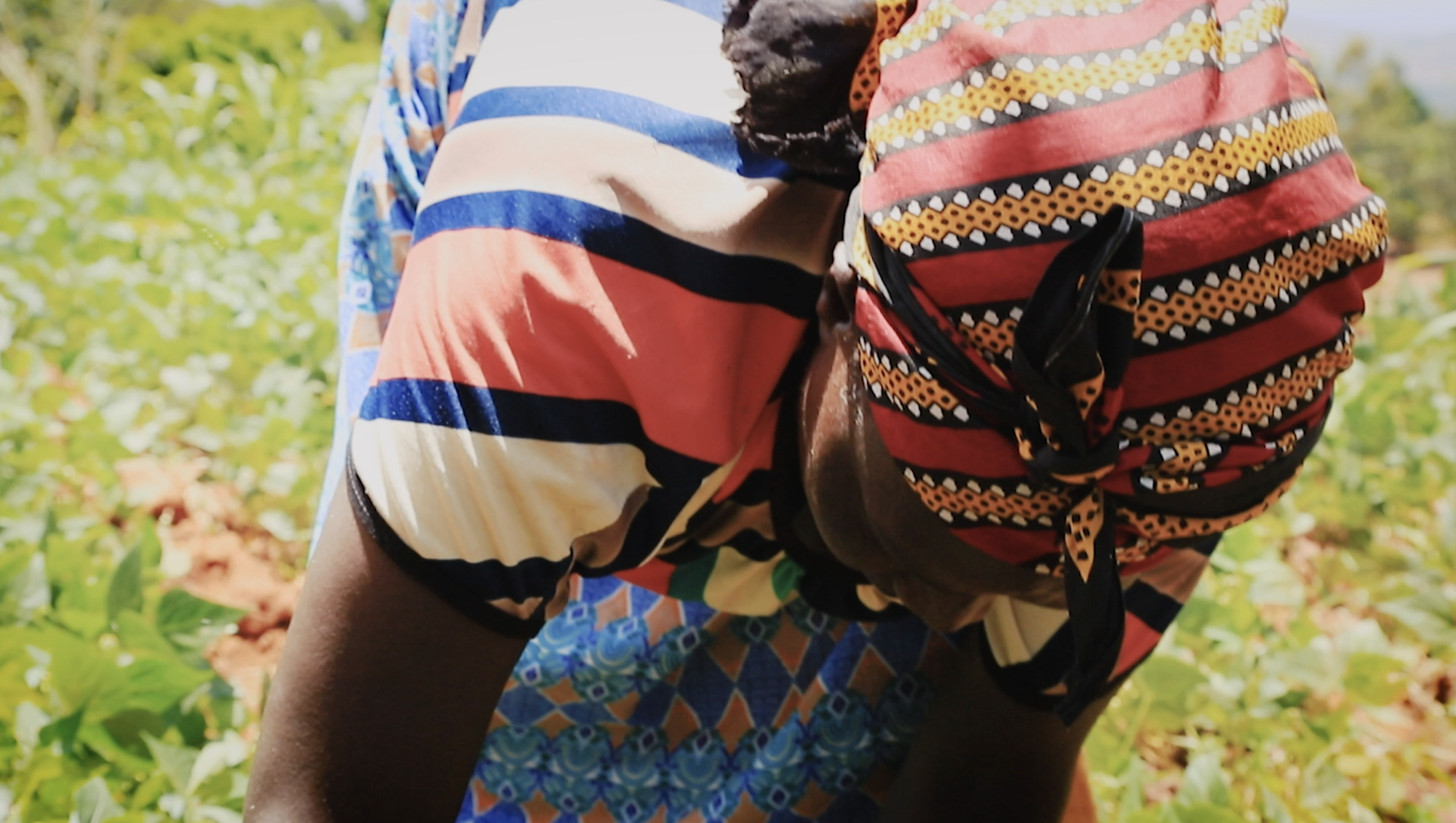
Climate-related projects and policies that involve women have proven to be more effective.
By Moa Westman
In many ways, women are leading the call for climate action. They are innovators, entrepreneurs and activists. Take Greta Thunberg, the 17-year-old Swedish activist, and Patricia Espinosa, the Mexican diplomat who leads the United Nations Framework Convention on Climate Change, the UNFCCC.
Overall, though, women remain largely underrepresented in the decision-making bodies designing climate actions or drafting climate change policies, whether it be in international organisations or the public and private sector.

The Paris Agreement and gender
The Paris Agreement acknowledges the importance of gender in the planning and execution of climate-related policies and projects.
In its preamble, the agreement acknowledges that “climate change is a common concern of humankind.” When addressing climate change, governments should respect and promote “gender equality, empowerment of women and intergenerational equity” as part of an overall commitment to human rights. Article 7 states that adaptation should follow a “country-driven, gender-responsive, participatory and fully transparent approach taking into consideration vulnerable groups, communities and ecosystems.”
In its 2020-2022 action plan, the UNFCCC calls for public and private entities to take gender into consideration when financing climate projects. In all, the UNFCCC has issued more than 50 decisions relating to gender and climate change, covering climate adaptation, mitigation, capacity building and to some extent also technology and finance.
In 2016, roughly half of individual countries’ plans for dealing with climate change reference women or gender. However only a few of them refer to the role of women as important decision-makers and agents of change (WEDO, 2016).
Hit hard
While climate change can be devastating for all people, especially those who depend on natural resources for incomes, environmental degradation affects women and men differently. Gender and social roles define the access men and women have to productive, natural and financial resources, and the resulting limitations tend to exacerbate the effect climate change has on women.
Agriculture gaps
Family farms run by women tend to be smaller than those run by men, roughly one-half to two-thirds of the size. The smaller size and limited access to financial and productive resources means that women generally lack the funds to cover weather-related losses or adopt technologies that would make their farms more efficient and resilient to climate change, according to the Food and Agriculture Organization.
Improving the conditions of female farmers, however, could increase their farm yields by 20-30%, improve soil fertility and protect ecosystems. Investments in information systems, climate insurance, resilient crops and time-saving techniques could improve female farmers’ productivity, boosting gender equality and agriculture output at the same time.
The EcoEnterprises Fund, for example, combines support for female agriculture and employment with sustainability. Based in Latin America, the fund invests in businesses that support biodiversity, such as sustainable forestry, non-timber forest products and sustainable agriculture. The fund, which is backed by the EIB, works actively with the Kichwa community, one of the most populous indigenous groups in the Ecuadorian Amazon. The investments have helped the Kichwa community grow its tea exports while maintaining the Amazon’s biodiversity.

Energy poverty
Women in rural communities spend up to 14 hours a day on unpaid care work, according to Oxfam. Much of that work is dedicated to collecting firewood and water. Scarcer forest and water resources increase the time women spend collecting firewood and water, limiting their ability to pursue educational or other productive activities. This lost time further exaggerates inequalities.
Investments in off-grid renewable energy and clean cooking solutions can make women’s lives easier and save them valuable time. In East Africa, the EIB invested in a pay-as-you-go scheme that enables low-income households, including those headed by women, to buy lanterns and home energy kits powered with solar energy. Payments are distributed over several months, avoiding heavy upfront costs. The d.light project has improved access to clean energy and enabled women shop owners to extend their business hours well into the night.

Supporting female entrepreneurs is another way to address gender inequality while also supporting climate solutions. In Africa and Asia, many renewable energy entrepreneurs are female, but they often lack the support to scale up their businesses.
Frontier Markets, a provider of off-grid solar-power solutions in rural India, increased sales by 30% after the company began to employ female entrepreneurs as suppliers and sales agents. Involving women improved the company’s reach and helped bring clean energy into homes that previously had no electricity.
Collateral damage
Climate change isn’t only harder on women, it’s also more deadly and destructive.
Women face higher mortality rates in extreme weather related events. For example, women represented 77% of deaths in the 2004 Aceh Tsunami (Oxfam), which swept through the northwestern coast of the Indonesian island of Sumatra, killing an estimated 170 000 people.
Overall, natural disasters make women more vulnerable. Weather related disasters have been shown to increase sexual trafficking by 20-30%, and resulted in an estimated 12 million more young girls being married off (IUCN). Violence against women often rises after natural disasters, as economic pressures mount and communities’ social fabric deteriorates.
Gender imperative
Climate change affects men and women differently. Climate investments that fail to consider gender could further entrench inequalities. Programmes and policies designed with gender equality in mind, however, could improve women’s lives while also protecting the planet.
A growing body of research shows that the people most affected by climate change must be part of the solution. Socially inclusive and gender-sensitive climate investments are more effective and lead to better environmental outcomes, according to the UNFCCC, as well as enhanced financial and business performance.
Investors should therefore seek out climate investments that benefit societies as a whole and support gender equality, the rights of indigenous people, economic resilience, and overall peace and stability.