« Nous nous efforçons d’utiliser toutes les connaissances et les avancées réalisées dans le domaine de la biotechnologie et de les mettre au service du monde agricole. »
Ce qu’il faut retenir
GreenLight Biosciences utilise la technologie à ARN pour protéger les plantes contre les insectes et les maladies qui ravagent les cultures.
Pourquoi c’est important
Les nouvelles technologies et les nouveaux biopesticides à ARN offrent une alternative aux produits chimiques de synthèse, dont ils réduisent l’usage, et protègent les moyens de subsistance du monde agricole tout en répondant aux préoccupations du public concernant la contamination chimique des sols.
Des chiffres parlants
Le marché mondial des solutions agricoles utilisant la technologie d’interférence par ARN (ARNi) représentait environ 1,2 milliard de dollars en 2024. Il devrait voir son volume plus que quadrupler au cours de la prochaine décennie, ces produits étant destinés à remplacer certains pesticides chimiques utilisés dans l’agriculture, dont le marché mondial est évalué à 65 milliards de dollars.
Des molécules naturelles pour remédier à des problématiques mondiales

Lorsqu’elle était enfant, Marta Ortega-Valle vivait à Barcelone et rêvait de s’occuper des moutons dans la ferme de ses grands-parents dans la région rurale de Soria, au cœur de la fertile vallée du Douro, réputée pour ses vins rivalisant avec ceux de la Rioja.
« J’y passais mes étés et je rêvais de vivre un jour cette vie », se souvient-elle. Lorsqu’elle est partie à l’université, Marta Ortega‑Valle s’est orientée vers l’ingénierie. « Je voulais inventer des choses qui contribueraient à un monde meilleur. »
Après ses études d’ingénierie et de commerce au Massachusetts Institute of Technology (MIT), elle a travaillé pour une société de capital-risque à Boston. C’est là qu’elle a rencontré les personnes avec lesquelles elle allait fonder GreenLight Biosciences. L’entreprise est née de la conviction de ses cofondateurs que les molécules naturelles peuvent être utilisées pour remédier à des problématiques mondiales – comme la protection des populations et des cultures contre les nuisibles et les maladies –, souvent résolues au moyen de produits chimiques de synthèse. L’équipe a décidé de s’intéresser à un processus biologique naturel que les cellules utilisent pour contrôler la production de protéines présentes dans toutes les cellules vivantes.
Le processus est appelé interférence par acide ribonucléique (ARN). En application phytosanitaire, l’ARN peut empêcher les insectes et les maladies – fongiques notamment – de produire les protéines essentielles à leur survie. Il permet ainsi d’éliminer ces fléaux sans recourir à des pesticides toxiques.
Comment fonctionne le processus
- Des molécules d’ARN à double brin entrent en contact avec le nuisible ou l’agent pathogène par pulvérisation sur les feuilles ou les semences à traiter.
- Ces molécules provoquent la dégradation de l’ARN messager chez l’organisme ciblé – nuisible, champignon ou autre agent pathogène –, ce qui bloque la production des protéines essentielles à sa survie.
- Les molécules non absorbées par cet organisme se dégradent rapidement, ce qui réduit au maximum l’impact sur les autres organismes et l’environnement.
À ce jour, GreenLight a lancé trois produits :
- le Calantha, qui protège les pommes de terre des doryphores,
- le Norroa, un traitement contre le varroa, parasite des abeilles,
- le Fortivance, un adjuvant qui optimise l’efficacité des pesticides contre les nuisibles comme les chenilles.
De la ferme à la table – Travaux de recherche dans la vallée du Guadalquivir
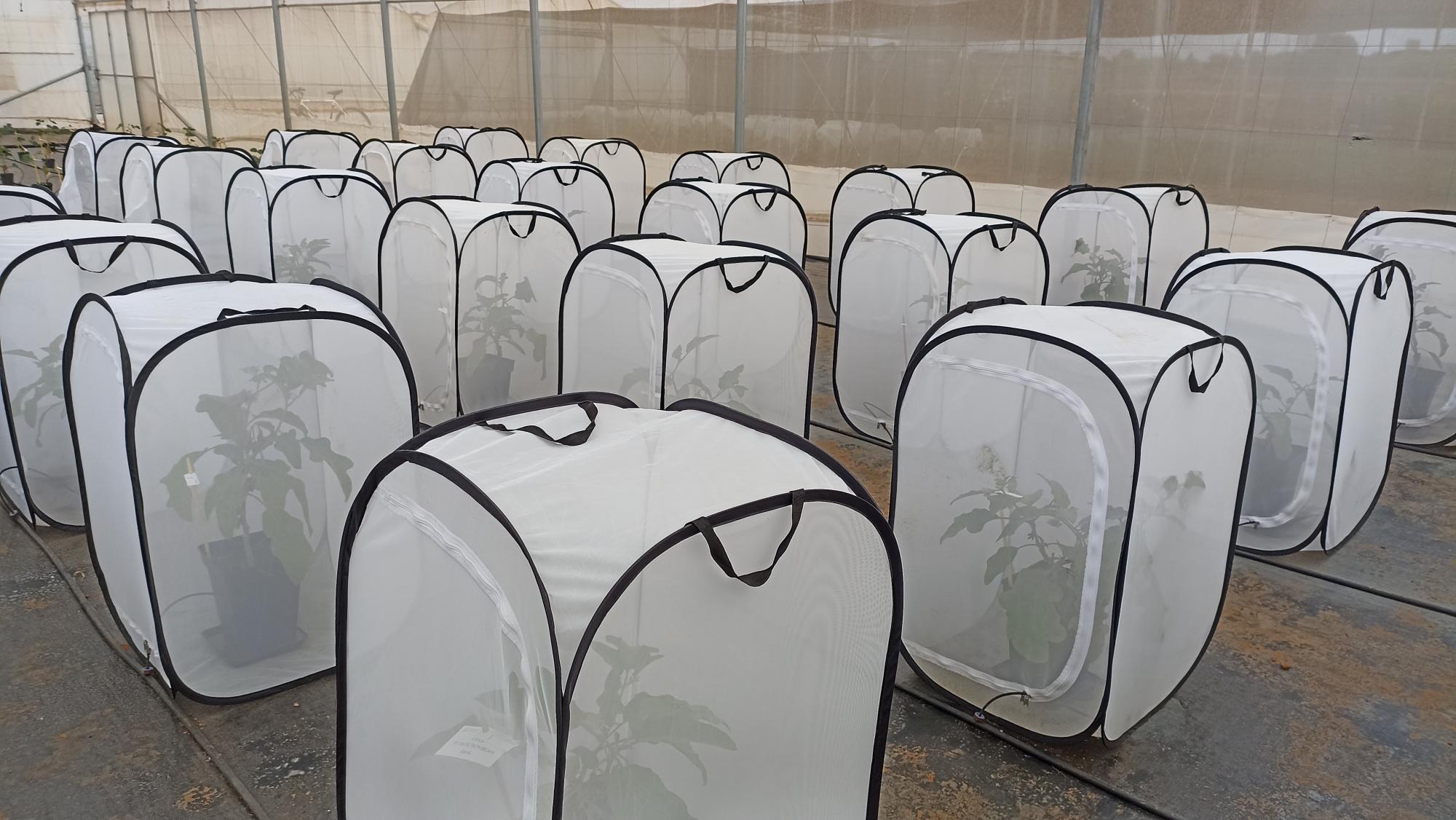
Le nouveau centre de recherche mondial de GreenLight Biosciences est situé à l’extérieur de Séville, dans la vallée du Guadalquivir, où le climat tempéré permet une longue saison de culture. Plusieurs autres entreprises d’envergure internationale développant des produits de protection des cultures ont également des centres de recherche dans la région. Le site de Séville est le principal centre de recherche de GreenLight en dehors des États-Unis. L’entreprise est également active au Brésil.
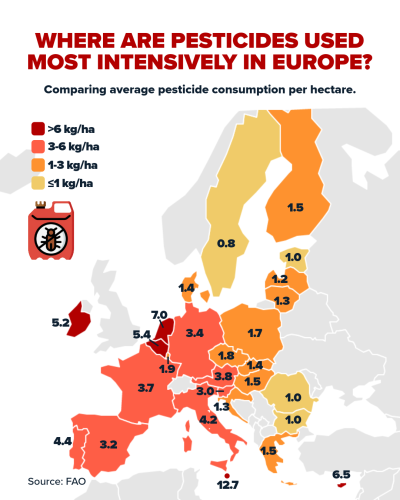
Le marché européen est prêt pour les produits proposés par l’entreprise. Dans le cadre de sa stratégie « De la ferme à la table », l’Union européenne entend réduire de 50 % l’usage des pesticides chimiques d’ici à 2030.
Les financements publics peuvent soutenir la fabrication à grande échelle requise pour que les solutions d’ARNi soient proposées à des prix compétitifs par rapport aux produits chimiques de synthèse, ce qui permet ainsi de combler la lacune du marché en matière de protection durable des cultures.
La Banque européenne d’investissement soutient le centre de recherche en Espagne au moyen d’un prêt d’amorçage-investissement de 35 millions d’euros signé en février 2025. Le financement a été rendu possible par une garantie InvestEU.

Greenlight Biosciences
Point de vue d’un spécialiste

Sébastien Collot, ingénieur principal à la Banque européenne d'investissement, a travaillé sur l’opération GreenLight.
Q : Quels sont les changements à l’œuvre dans le secteur agricole européen ?
R : Le secteur connaît une transition structurelle en raison d’une réglementation plus restrictive concernant la protection chimique des plantes, à laquelle s’ajoutent la pression climatique et l’incertitude géopolitique. Le monde agricole est confronté à des contraintes plus élevées, mais ne dispose pas d’outils suffisants pour y faire face. Par conséquent, il est nécessaire d’intensifier la recherche et le développement de solutions de substitution qui permettront de réduire les intrants chimiques les plus dangereux, d’assurer la résilience face aux changements climatiques et la viabilité économique pour le monde agricole et de garantir une production alimentaire stable.
Des biopesticides pour remplacer les produits chimiques
La technologie de GreenLight fonctionne en ciblant des protéines spécifiques chez les nuisibles, les champignons ou les agents pathogènes au niveau cellulaire, perturbant efficacement leur viabilité sans nuire à d’autres espèces ni laisser de résidus toxiques. Cette méthode permet à l’entreprise de développer des produits de protection des cultures hautement sélectifs et respectueux de l’environnement qui peuvent être pulvérisés sur les plantes ou utilisés pour traiter les semences.
« Lorsque nous créons un produit, nous nous appuyons sur les mécanismes mêmes du vivant », explique Marta Ortega-Valle. « Nous ne faisons qu’industrialiser le processus pour produire la solution à grande échelle et de manière efficace. »
GreenLight entend lancer trois autres produits au cours des deux prochaines années et avoir 11 produits sur le marché d’ici à 2032. Les trois produits qui sortiront en 2026 et 2027 ciblent :
- l’oïdium, un champignon qui attaque principalement la vigne,
- le tétranyque, un acarien ravageur de nombreuses cultures,
- le mildiou, une maladie fongique qui touche la pomme de terre.
Le Norroa de GreenLight a récemment été lancé aux États-Unis. Début 2025, quelque 1,7 million de colonies d’abeilles y ont été touchées par une invasion de varroa, qui a causé des dommages se chiffrant à 600 millions de dollars.
« Les alternatives aux produits chimiques utilisés pour lutter contre ce parasite ne sont pas suffisantes », explique Cyril Teixeira da Silva, chargé de prêt responsable de l’investissement de la BEI en faveur de GreenLight Biosciences. « En Europe et aux États-Unis, cet acarien cause des pertes considérables dans les populations d’abeilles. »
Le Norroa est en cours d’évaluation par l’Agence européenne des médicaments.

©Kuttelvaserova Stuchelova/Shutterstock
Défi et potentiel de l’Europe
- Le défi : les processus d’approbation des biopesticides sont longs en Europe. Il y faut entre cinq et sept ans pour commercialiser un biopesticide, contre un ou deux ans aux États-Unis et au Brésil.
- La solution : un processus d’évaluation plus souple et spécifiquement adapté aux biopesticides permettrait aux talents européens de faire progresser l’innovation agricole. « Les talents dont nous disposons en Europe sont de très haute qualité », affirme Marta Ortega-Valle.
« Le processus en Europe n’est pas propice à une innovation rapide », ajoute-t-elle. « Cela dissuade les innovateurs de créer des produits, car il faut attendre beaucoup trop longtemps pour en tirer des revenus. »
Prenons l’exemple du Calantha de GreenLight. Il a été approuvé aux États-Unis en 2023 et a déjà conquis une part importante du marché américain des produits de protection contre le doryphore de la pomme de terre. L’entreprise est active en Europe depuis trois ans et elle a récemment obtenu en Belgique une autorisation d’utilisation d’urgence pour le Calantha.
« Nous ne demandons pas une déréglementation », précise Marta Ortega-Valle. « Nous demandons juste un processus d’évaluation plus souple et adapté aux biopesticides. »
GREENLIGHT BIO (IEU G)
The project concerns the research & development, registration, commercialisation and manufacturing of a pipeline of innovative active substances and plant protection products for plant health and bee health.