Fiche récapitulative
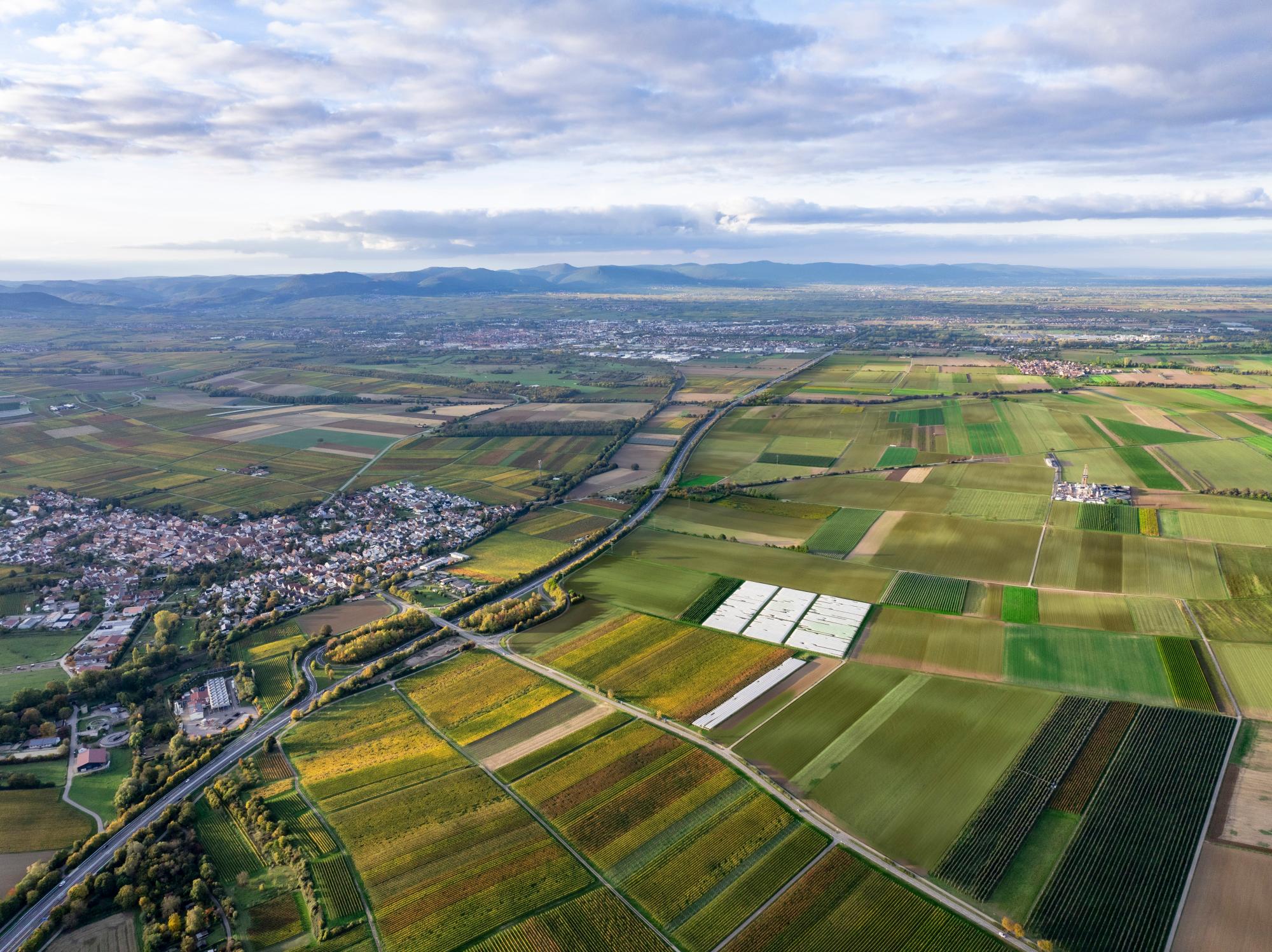
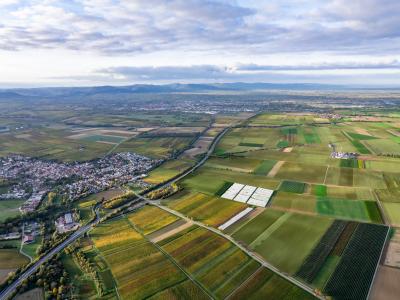
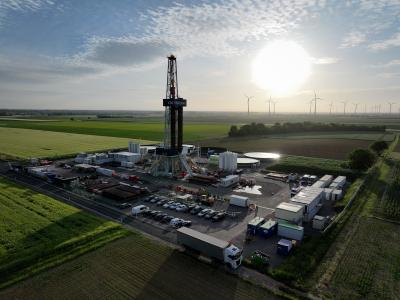
The project intends to produce 24 kt/yr of battery-quality lithium hydroxide, by combining extraction from the underground brine with associated geothermal plants under a closed fluid cycle, a lithium extraction plant and a refining plant. It will also produce electricity to cover most of its own consumption and heat for district heating in nearby towns, thereby targeting net-zero emissions. The project will be mostly located in the Upper Rhine Valley of Germany, which is Europe's largest lithium resource. Its scope corresponds to the first phase of a larger development scheme and it will benefit from the experience of an existing demo-plant.
The production of battery grade lithium LHM - a critical raw material (CRM) to be used in particular to for EV batteries - will contribute to the EU's green transition and to the achievement of the European Green Deal ambition to become climate neutral by 2050. As such, the project is in line with the EU Key Enabling Technologies and Strategic Energy Technology (SET) Plan objectives, contributing to increased EU autonomy and resilience in industrial ecosystems for e-mobility and batteries. The project falls under Main Policy Priority area (Environment and resources / Sustainable critical raw materials value chain) for projects supporting the sustainable supply and processing of critical primary raw materials with the main objective of building production capacity for the purpose of large-scale competitive commercialisation. The lithium processing plants are eligible for climate action as mitigation. The output of the production plant is battery grade LiOH, which is used to produce battery active material (BAM). The project therefore falls within the scope of the activity '3.4 Manufacture of batteries' in the Taxonomy Climate Delegated act and fulfils the substantial contribution criteria for climate change mitigation, since the 'Manufacture of respective components (battery active materials, battery cells, casings and electronic components)' is also covered. Therefore the project is eligible under Article 309 point (c) common interest. The energy elements of the project are in line with EU and EIB policy objectives on climate action (mitigation) and are also fully in line with national renewable energy penetration targets for the electricity grid and for district heating. They will generate both environmental and health benefits, in particular by replacing fossil-fuels with the integration of low-carbon, more sustainable, baseload renewable sources.
The project is line with the InvestEU objective for environment and resources. The project is eligible under Article 309 point (c) Common interest and qualifies under the Bank's Innovation, Digital and Human Capital public policy goal.
The Lithium processing plants are eligible for Climate Action as mitigation and other. The output of the production plant is battery grade LiOH, which is used to produce battery active material (BAM). The project therefore falls within the scope of the activity '3.4 Manufacture of batteries' in the Taxonomy Climate Delegated act and fulfils the substantial contribution criteria for climate change mitigation, since the 'Manufacture of respective components (battery active materials, battery cells, casings and electronic components)' is also covered.
The energy elements of the Project are in line with EU and EIB policy objectives on climate action (mitigation) and are also fully in line with national RE penetration targets for the electricity grid and for district heating. They will generate both environmental and health benefits, in particular by replacing fossil-fuels with the integration of low-carbon, more sustainable, baseload renewable sources.
The market for Lithium Hydroxide is expected to outweigh the European supply for many years to come. To ensure some autonomy for the EU market and its customers on a whole, local low emission sourcing is an EU priority.
Accordingly, the project addresses market failures due to (1) imperfect competition in the battery manufacturing supply chain, predominantly served by non-EU manufacturers, (2) the generation of knowledge benefits from RDI activities and the interaction with suppliers and customers in development of new solutions for the production of battery grade LiOH, (3) imperfect and asymmetric information, as the promoter is a start-up investing in innovative technology competing with established companies and technologies, (4) reducing carbon and air pollution externalities and (5) energy security of supply.
EIB facility is critical to close the financing gap especially in light of the profile of this transaction. EIB sizeable contribution to the project would accordingly provide both financial value and non-financial value. EIB participation in the financing will have a crowding in effect and would provide comfort to other financiers. The project could not be carried out (to the same extent) by the EIB without the InvestEU support.
Various parts of the project have been screened separately for eventual Environmental Impact Assessment (EIA) processes, as falling under Annex II of the EIA Directive (2014/52/EU amending 2011/92/EU). So far, only the Organic Rankine Cycle (ORC) power plant has been screened in. Several wells have been individually screened-out and many screening decisions for wells, pipeline and lithium extraction plant are pending. In addition, screening decisions are taken by different authorities, e.g. geothermal wells by the German Mining Authority. As the central lithium plant will be located in an existing Chemical Park, it is covered by an existing permit. Where and if applicable, the requirements of the Environmental Impact Assessment Directive 2011/92/EU as amended by Directive 2014/52/EU, Birds Directive 2009/147/EC and Habitats Directive 92/43/EEC as well as the Industrial Emissions Directive 2010/75/EU and the EU Directive on Energy Performance of Buildings and the requirements of social standards will be verified during appraisal.
If applicable, the EIB will require the promoter to ensure that contracts for project implementation have been tendered in accordance with the applicable EU procurement legislation, Directive 2014/23/EU / 2014/24/EU / 2014/25/EU as well as Directive 92/13/EEC or Directive 89/665/EEC as interpreted by the Court of Justice of the EU, with publication of tender notices in the EU Official Journal, as and where required.
Documents
À la une
Photogallery
©EIB
©EIB
©EIB