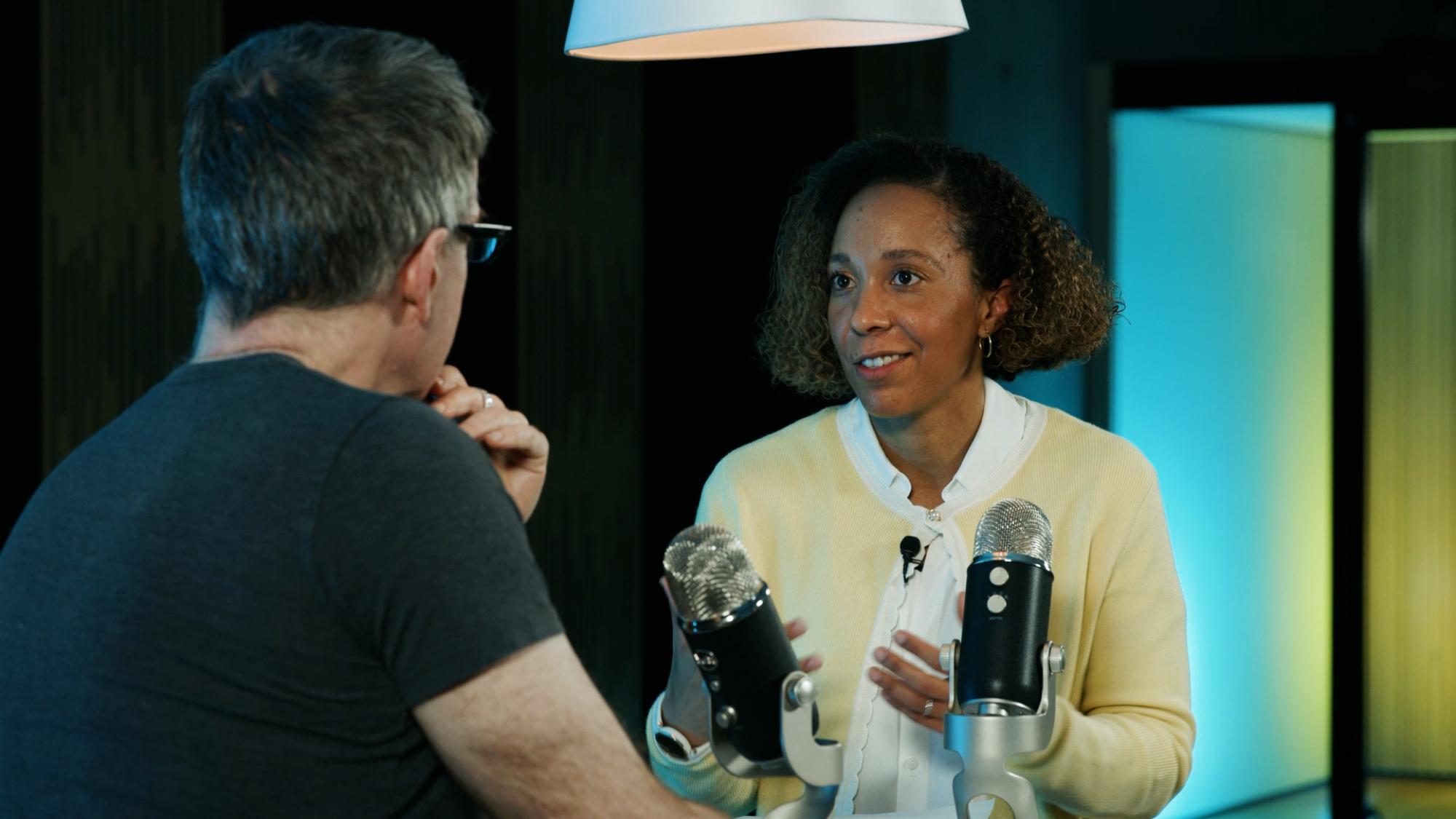
„Es geht vor allem um Diversifizierung. Wir wollen nicht abhängig sein.“

Invested by Europe ist ein Podcast über die europäische Wirtschaft. Von Wohnraum, Energie und Innovation bis hin zu Infrastruktur, Sicherheit und Verteidigung: Fachleute verraten in jeder Folge, wo die großen Herausforderungen liegen. Wir wollen wissen, was sich ändert, welche Lösungen es gibt und wie Europa in seine Zukunft investiert.

Darum geht es in dieser Folge
Kritische Rohstoffe sind aus dem modernen Alltag nicht mehr wegzudenken. Und auch für Europas Energiewende sind sie enorm wichtig. Ob Smartphones, Solaranlagen, Batterien oder Windräder – überall stecken sie drin.
In dieser Folge von Invested by Europe erklärt Lerato Kotelo, Expertin für kritische Rohstoffe bei der Europäischen Investitionsbank, was diese Rohstoffe ausmacht, warum sie so wichtig sind und wie Europa resilienter wird – mit diversifizierten Lieferketten, Recycling, Innovationen und strategischen Partnerschaften.

Kurzfassung
Welche Rohstoffe „kritisch“ sind, ist weltweit nicht einheitlich definiert. Die Europäische Kommission hat 34 ermittelt, die für die wirtschaftliche Resilienz unverzichtbar sind. 17 davon sind als „strategisch wichtig“ eingestuft. Kritische Rohstoffe kommen so ziemlich überall zum Einsatz – bei Elektronik und Batterien, bei erneuerbaren Energien und im Advanced Manufacturing.
Beim Smartphone sieht man besonders gut, wo diese Rohstoffe überall im Spiel sind: In Batterien ist Lithium verbaut. Gehäuse und viele Bauteile bestehen aus Aluminium und Kupfer. Und auch bei der Elektronik werden Spezialmetalle verwendet. Diese Materialien machen das Gerät leistungsfähig und bestimmen zugleich das Tempo einer modernen Wirtschaft.
Auch die Energiewende steht und fällt mit kritischen Rohstoffen. Bei Solarmodulen sind es Aluminium, Kupfer und Silizium. Bei Windrädern Seltene Erden für die leistungsstarken Magnete. Je schneller Europa CO₂ einspart, desto stärker wächst die Nachfrage nach diesen Materialien. Deshalb braucht es zuverlässige, gut diversifizierte Lieferketten.
Europa hat eine lange Bergbautradition. Vor allem die nordischen Länder fördern intensiv Kupfer und Nickel. Die Europäische Investitionsbank hat in Finnland kürzlich eine Lithium-Mine mit integrierten Verarbeitungsanlagen finanziert. Das zeigt, dass Europa das Metall selbst fördern kann – und warum das wichtig ist. Doch der Abbau ist nur ein Teil der Lieferkette. Verarbeitung, Raffination und Weiterveredelung gehören ebenso dazu. Dafür muss sich Europa das Know-how und ausreichende Ausgangsstoffe sichern.
Eine Lösung ist Recycling. Da ist Europa bei Aluminium und Kupfer führend. Neue Verfahren steigern Rückgewinnung, Effizienz und Umweltleistung. Recycling verbessert die Versorgung und macht Europa weniger abhängig von Importen.
Im Mittelpunkt der EU‑Verordnung zu kritischen Rohstoffen steht die Diversifizierung der Versorgung. Es geht nicht darum, die Importe komplett zu ersetzen, sondern darum, sich nicht zu stark von einzelnen Ländern abhängig zu machen. Strategische Partnerschaften mit Staaten in Afrika, Lateinamerika und anderen Regionen bieten Chancen für beide Seiten. Bei Projekten außerhalb Europas wendet die Europäische Investitionsbank dieselben Umwelt- und Sozialstandards an wie innerhalb der EU. Das fördert auch die langfristige Entwicklung.
Innovationen verändern auch den Abbau. Lerato Kotelo begeistert sich für ein innovatives Projekt von Vulcan Energy. Dabei wird Lithium aus geothermischen Solen gewonnen, und zwar deutlich umweltverträglicher als nach herkömmlichen Methoden. So kann Europa wassersparend und mit minimalem Flächenverbrauch mehr Lithium fördern. Auch das Recyclingunternehmen ROSI überzeugt sie.
Der Bergbau hat sich grundlegend verändert. Automatisierung und Mechanisierung machen die Arbeit sicherer, weil die Arbeitskräfte außerhalb der Gefahrenzonen bleiben. Gleichzeitig werden die Prozesse effizienter und die Unternehmen somit wettbewerbsfähiger.
Fazit
- Vor allem Nordeuropa ist bei Abbau und Verarbeitung gut aufgestellt. Trotzdem muss Europa immer noch viele Rohstoffe importieren.
- Innovationen wie die Lithiumgewinnung aus geothermischen Solen eröffnen neue Möglichkeiten.
- Diversifizierung ist das Schlagwort in der EU‑Verordnung zu kritischen Rohstoffen. Und langfristige Versorgungssicherheit geht nur mit zuverlässigen globalen Partnerschaften.
Unser Gast
Lerato Kotelo ist Expertin für kritische Rohstoffe bei der Europäischen Investitionsbank. Die Metallurgie-Ingenieurin arbeitet an Projekten entlang der Wertschöpfungskette – vom Abbau über die Raffination und Verarbeitung bis hin zum Recycling. Sie untersucht, was Rohstoffe für Europas Wirtschaft bedeuten und wie Innovationen die Lieferkette umweltverträglicher und die Versorgung sicherer machen.
Invested by Europe anhören und abonnieren
Hier finden Sie Invested by Europe:
- Alle Podcast-Folgen auf unserer Website
- Apple Podcasts
- Spotify
- Deezer
- oder auf Ihrer bevorzugten Podcast-Plattform
Freuen Sie sich jede Woche auf eine neue Folge.
Mehr Infos
Deutschland: Vulcan Energy erhält EIB-Finanzierung von 250 Mio. Euro für wegweisendes Lithiumprojekt
Die Europäische Investitionsbank (EIB) vergibt eine Finanzierung von 250 Millionen Euro für die erste Phase des Lionheart-Projekts von Vulcan Energy im Oberrheingraben. Mit dem 2-Milliarden-Euro-Projekt entsteht eine integrierte Wertschöpfungskette für batteriefertiges Lithium auf Basis von geothermischen Solen. Dies verringert Europas Abhängigkeit von Importen und hilft bei der Dekarbonisierung von Verkehr und Industrie.
Kritische Rohstoffe
Für ein grüneres und wettbewerbsfähigeres Europa
Primärrohstoff – was ist das?
Beispiele für Primärrohstoffe sind Rohholz, Kohle, Erdgas oder Metallerze. Recycelte Rohstoffe zu verwenden, ist oft besser für die Umwelt und spart Energie.
ZERO CARBON LITHIUM
The project intends to produce 24 kt/yr of battery-quality lithium hydroxide, by combining extraction from the underground brine with associated geothermal plants under a closed fluid cycle, a lithium extraction plant and a refining plant. In addition, the project will produce electricity to cover most of its own consumption and heat for district heating in nearby towns, thereby targeting low emissions. The project will be mostly located in the Upper Rhine Valley of Germany.
TECHEU VD ROSI PV PANEL RECYCLING (IEU GT)
The Project aims to finance the construction of two commercial plants for the recycling of end-of-life photovoltaic panels into high-quality secondary raw materials (i.e. high purity silicon, silver, copper, aluminium and glass). The first plant is located in Spain (capacity 10,000 t/y), and the second in Germany (capacity 30,000 t/y). The Project is complemented by investments in the associated RDI activities at the demonstration plant in France (capacity 5,000 t/y).