
Öffentliche Investitionen haben den Markt nicht ersetzt. Sie haben geholfen, ihn aufzubauen.
Worum geht es
Vor 15 Jahren gab es in Bulgarien praktisch keinen Markt für Risikokapital. Heute prägt er die Innovationslandschaft in Südosteuropa.
Warum das wichtig ist
Langfristige öffentliche Investitionen mobilisierten privates Kapital, ermutigten Talente und schafften Vertrauen. So wurde Bulgarien zum Nährboden für Deeptech-Start-ups und hochwertige Arbeitsplätze.
Die Story in Zahlen
Fast 500 der 1 245 Start-up-Investitionen in Südosteuropa in den vergangenen fünf Jahren entfielen auf Bulgarien.
Risikokapital + langfristige Förderung
Als der in Sofia ansässige Risikokapital-Fonds LAUNCHub Ventures eine Finanzierungsrunde über 7 Millionen Euro für das kroatische Start-up SplxAI anführte, war das ein starkes Signal. Das junge Unternehmen bietet Cybersicherheit für KI-Chatbots. Für den bulgarischen Risikokapital-Markt war es ein weiterer Schritt in Richtung Deeptech. Die 74 Millionen Euro, die der Fonds 2025 in SplxAI steckte, sind das jüngste Kapitel der 14-jährigen Entwicklung Bulgariens von einer Seed-Funding-Wüste zu einem Hotspot für Früh- und Wachstumsfinanzierungen auf dem Balkan.
Der Wandel begann mit einem Aufruf des Europäischen Investitionsfonds (EIF), der neue Risikokapital-Fonds suchte. Hintergrund waren übrige Gelder aus Bulgariens Zuteilung aus der JEREMIE-Initiative. Das Kürzel steht für „Gemeinsame europäische Ressourcen für kleine bis mittlere Unternehmen“. Hinter dem Programm stehen die Europäischen Kommission und die Europäische Investitionsbank-Gruppe. Die insgesamt 21 Millionen Euro aus JEREMIE wurden auf zwei Fondsmanager verteilt: 9 Millionen Euro gingen an LAUNCHub, 12 Millionen Euro an Eleven.
Beide haben seither neue Risikokapital-Fonds aufgelegt. Der EIF blieb an Bord. Im September 2025 sagte er weitere Mittel für die jüngsten Fonds zu. Der größte Effekt ist jedoch: Sofia gilt heute als ein Risikokapital-Hub in Südosteuropa.
„Das ist wichtig für die ganze Region“, sagt Todor Breshkov, Mitgründer von LAUNCHub. „Sie ähnelt heute den größten europäischen Märkten, mit Beteiligungen von bis zu 5 Millionen Euro.“
Was hat sich verändert?
- Erstmaliges Risikokapital unter JEREMIE
- Langfristige Zusagen des EIF an Fondsmanager
- Ein wachsendes Ökosystem von Gründern, Fondsadvisors und Investoren
Welche Rolle spielen öffentliche Gelder für Risikokapital?
Die öffentliche Förderung wirkte in Bulgarien als Katalysator für den Markt. Zu Beginn adressierte der EIF ein klassisches Marktversagen: Es gab viele unternehmerische Talente, aber kaum risikobereites Kapital vor Ort.
Über Programme wie JEREMIE und InnovFin förderte der EIF den Aufbau von Fondsmanagern, mit Rückendeckung durch die Europäische Kommission und die EIB-Gruppe. Das zog private Investoren an und schloss Bulgarien an den europäischen Risikokapital-Markt an.
Warum öffentliche Mittel entscheidend waren
- Das hohe Risiko in der Frühphase schreckte private Investoren ab
- Es gab keinen Track Record für Risikokapital in Bulgarien
- Die unterstützende Infrastruktur war schwach
Was dadurch möglich wurde
- Langfristig aktive Risikokapital-Fondsmanager
- Folgeinvestitionen privater Kapitalgeber
- Expansion in unterversorgte Märkte der Region

Was der Experte sagt
F: Was hat sich im bulgarischen Risikokapital-Markt am stärksten verändert?
A: Wir freuen uns sehr, dass sich das, was wir vor Jahren begonnen haben, jetzt auszahlt. Viele Fondsmanager, die wir zu Beginn unterstützt haben, halten nun, was sie versprochen haben, und sind eine feste Größe geworden.
Trends
- Größere Fondsvolumen
- Mehr privates Kapital neben EIF-Mitteln
- Schnelleres Wachstum regionaler Start-ups
Der nächste Schritt
Eine tiefere Einbindung Südosteuropas in Europas Innovationswirtschaft.
Risikokapital-Aufbau aus dem Nichts
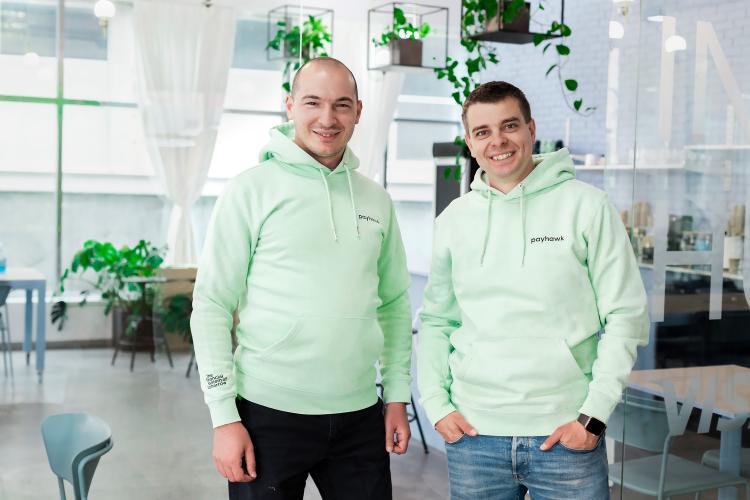
Als Eleven und LAUNCHub 2012 auf den Aufruf des EIF reagierten, gab es noch gar kein Risikokapital in Bulgarien. Schlimmer noch: Die nötige Infrastruktur für junge Unternehmen fehlte: Fachleute für Rechnungslegung oder Juristen, die sich mit Start-ups auskannten. Geschweige denn Co-Working-Flächen und eine geeignete Regulierung.
Eleven schrieb seinen Anspruch schon in den Namen. Um der Erdanziehung zu entkommen, braucht man eine Fluchtgeschwindigkeit von 11 Kilometern pro Sekunde. „Das ist unsere Metapher“, sagt Daniel Tomov, Mitgründer von Eleven. „Wir helfen Gründern, alle Hürden des lokalen Marktes zu überwinden. Und genau das passiert jetzt.“
Die Fonds von Eleven haben in einige erfolgreiche Start-ups investiert. Eines davon war Payhawk, das erste bulgarische Unicorn. So nennt man Start-ups mit einer Marktbewertung von 1 Milliarde Dollar. Auch Dronamics war dabei. Der Drohnenhersteller startete mit 25 000 Euro von Eleven und sammelte später 50 Millionen Euro ein.
„Der Europäische Investitionsfonds war dabei absolut entscheidend“, sagt Tomov. „Vorher hatten wir hier Talente, aber kein Kapital. Der EIF brachte beides zusammen.“
Konkrete Wirkung
- Neue, hochwertige Jobs
- Weniger Abwanderung von Fachkräften
- Unternehmen wachsen von der Region in die Weltmärkte
Bulgarische Start-ups sind innovativ
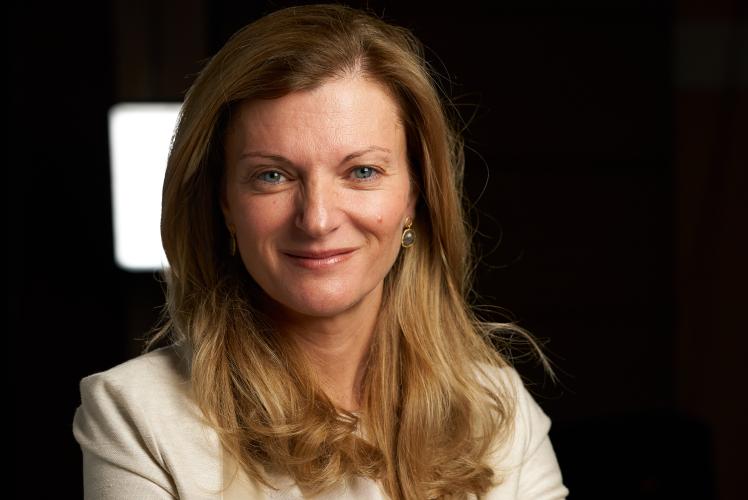
Der Blick über Bulgariens Grenzen hinaus war auch die Grundlage für den Erfolg von BrightCap Ventures.
Elina Halatcheva, Mitgründerin von BrightCap, stammt aus Bulgarien. Die Absolventin der Stanford University arbeitete zunächst im Investment Banking und Private Equity in New York und London. Bevor sie zur Geburt ihres ersten Kindes nach Bulgarien zurückkehrte, fiel ihr auf, wie „Eleven das Ökosystem anschob“. Ihre Idee war es, die bulgarische Diaspora einzubinden und anderswo gegründete Unternehmen in den wachsenden lokalen Risikokapital-Markt zu bringen.
Anfangs hatte sie den Eindruck, viele bulgarische Start-ups kopierten einfach Ideen aus dem Ausland. Seit der Gründung von BrightCap im Jahr 2018 hat sich das geändert. „Heute haben wir Unternehmen, die kategoriedefinierende Produkte entwickeln – innovative Produkte, die niemand sonst hat“, sagt sie und nennt als Beispiel LucidLink. Die von einem Bulgaren und einem US-Amerikaner gegründete Firma hat eine Technologie entwickelt, mit der sehr große Dateien aus der Cloud gestreamt werden können.
Der EIF beteiligte sich mit 20 Millionen Euro aus dem JEREMIE-Programm am ersten Fonds von BrightCap. Das Gesamtvolumen lag bei 25 Millionen Euro.
Wie stark der Markt gewachsen ist, zeigt der zweite Fonds. Er schloss im Sommer 2025 mit 47,5 Millionen Euro. Davon kamen 30 Millionen Euro vom EIF. Der Fokus des Fonds liegt auf Bulgarien und Rumänien. Zu den ersten Investments zählen RobosizeME, das Abläufe in der Hotellerie automatisiert, und Tow4Tech. Dessen Software vernetzt Abschleppdienste und Transportunternehmen.
„Wir tragen dazu bei, dass in Bulgarien Arbeitsplätze entstehen“, sagt Halatcheva.
Irrtümer über Risikokapital in Bulgarien
- Mythos: Bulgarien fehlt es an Innovationstalenten.
Realität: Talente waren immer da. Was fehlte, war Kapital. Jetzt ist der jahrelange Braindrain gestoppt.
- Mythos: Risikokapital nützt nur Start-ups.
Realität: Es stärkt ganze Ökosysteme, von der Rechtsberatung bis zum lokalen Arbeitsmarkt.
Eckdaten
Risikokapital in Bulgarien im Überblick
2012
Beginn der EIF-Förderung
~500
Start-up-Investments in den letzten fünf Jahren
14 % (EU-weiter Spitzenwert)
Selbstständigenquote unter jungen Menschen
Breite Wirkung von Risikokapital in Bulgarien
Auch Todor Breshkov von LAUNCHub sieht die breite Wirkung des Wachstums.
„Das ist enorm wichtig“, sagt er. „Diese Unternehmen schaffen viele Arbeitsplätze, die meist gut bezahlt sind und eine hohe Wertschöpfung bringen. So bleiben die Firmen im Land. Sie nutzen lokale Dienstleister und zahlen hier nicht nur Steuern, sondern auch Gehälter. Diese Effekte sind noch größer als erwartet.“
Die Wirkung des EIF reicht in Bulgarien über das Risikokapital-Ökosystem hinaus. Der EIF war früher Unterstützer und Ankerinvestor mehrerer Private-Equity-Fonds, wie etwa BlackPeak Capital und Invenio. Kürzlich sagte er zudem Mittel für den ersten Private-Credit-Fonds des Landes zu, aufgelegt von Empower Capital.
Ende 2025 verlängerten der EIF und das bulgarische Ministerium für Innovation und Wachstum das JEREMIE-Mandat im Land bis 2035. Für den EIF „ein klares Vertrauensvotum für eines der wirksamsten öffentlichen Finanzinstrumente Bulgariens“.