What this is about
Sustained social investment in health, education and inclusion raises living standards across Europe, reduces inequality and helps Europeans live longer.
Why it matters
Europe’s social model is not just about fairness. It also underpins the continent’s economic resilience and competitiveness. Investing in people can deliver better outcomes, including longer lives, stronger labour market participation and more inclusive growth.
A number that tells the story
In parts of Europe, life expectancy is five years higher than in the United States, and infant mortality rates in Europe are among the lowest in the world, largely because of strong healthcare systems.
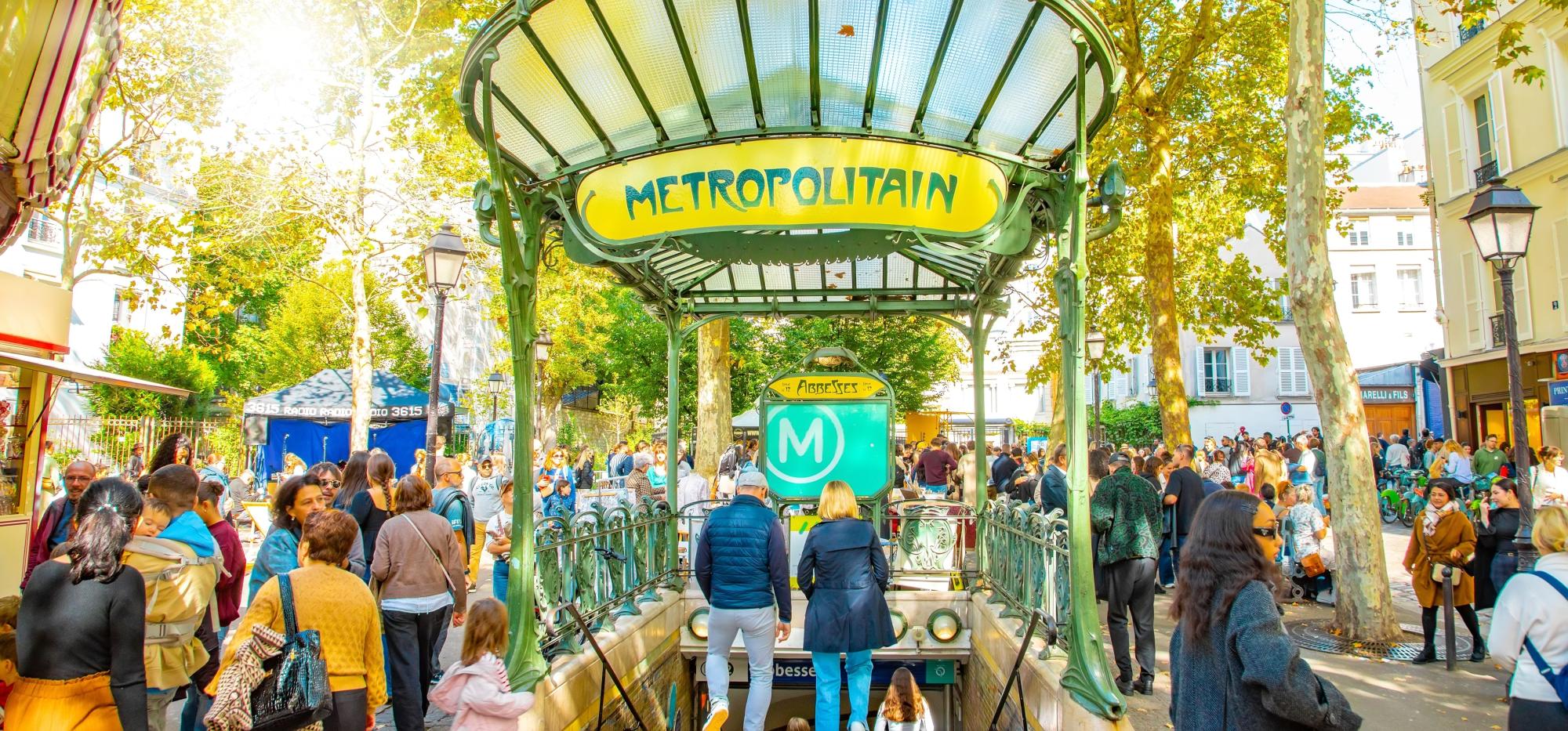
On a weekday morning in almost any European city, commuters head to work on reliable public transport, young people move between classrooms and apprenticeships, parents balance jobs with affordable childcare, and older people continue their professional activity. Beneath this everyday rhythm lies something remarkable: More people in Europe are working today than ever before, incomes are rising and inequality is gradually narrowing.
Across the European Union, sustained investment in education, health and social protection has helped raise living standards and extend lives. This success is the result of long-term choices by EU countries, including policies that support growth and ensure the benefits are widely shared.
Here is the story of how Europe’s strategy of investing in its greatest asset – its people – is paying off, told through the findings of the EIB Investment Report 2025/2026 (Chapter 7: Social investment for inclusion and productivity).
New investment priorities
There is one area where Europe’s sense of equality and inclusion is put to the test: housing. Rents and housing prices have risen sharply in many European cities, and the cost of housing now shapes where people – particularly young people – can live, study or work.
Stemmer says investing in housing is a top priority. “We need to decrease the shortages of affordable housing, particularly in high-pressure areas where most of the productivity in Europe happens – in cities and urban areas.”
Investing in infrastructure in local communities has also gained in importance. In many regions, existing infrastructure is no longer sufficient to meet current needs, particularly as the impact of climate change becomes more pronounced. Infrastructure – especially transport systems, hospitals, educational facilities and recreational amenities – does more than improve quality of life. It also helps regions attract talent, support the growth of existing businesses and attract new ones.
The European Investment Bank helps sustain social investment by financing projects with long-term benefits and higher upfront costs, such as education, healthcare, affordable housing and innovation. As Žďárek puts it, the Bank’s role is to show that “this particular investment opportunity is worth taking the risk.”
In times of rapid technological and demographic change, Europe’s social model is not a luxury – it's an engine of prosperity that drives growth, productivity and job creation. By treating health, education, housing and the environment as long-term investments rather than short-term costs, Europe can continue to build a competitive economy that works for everyone.