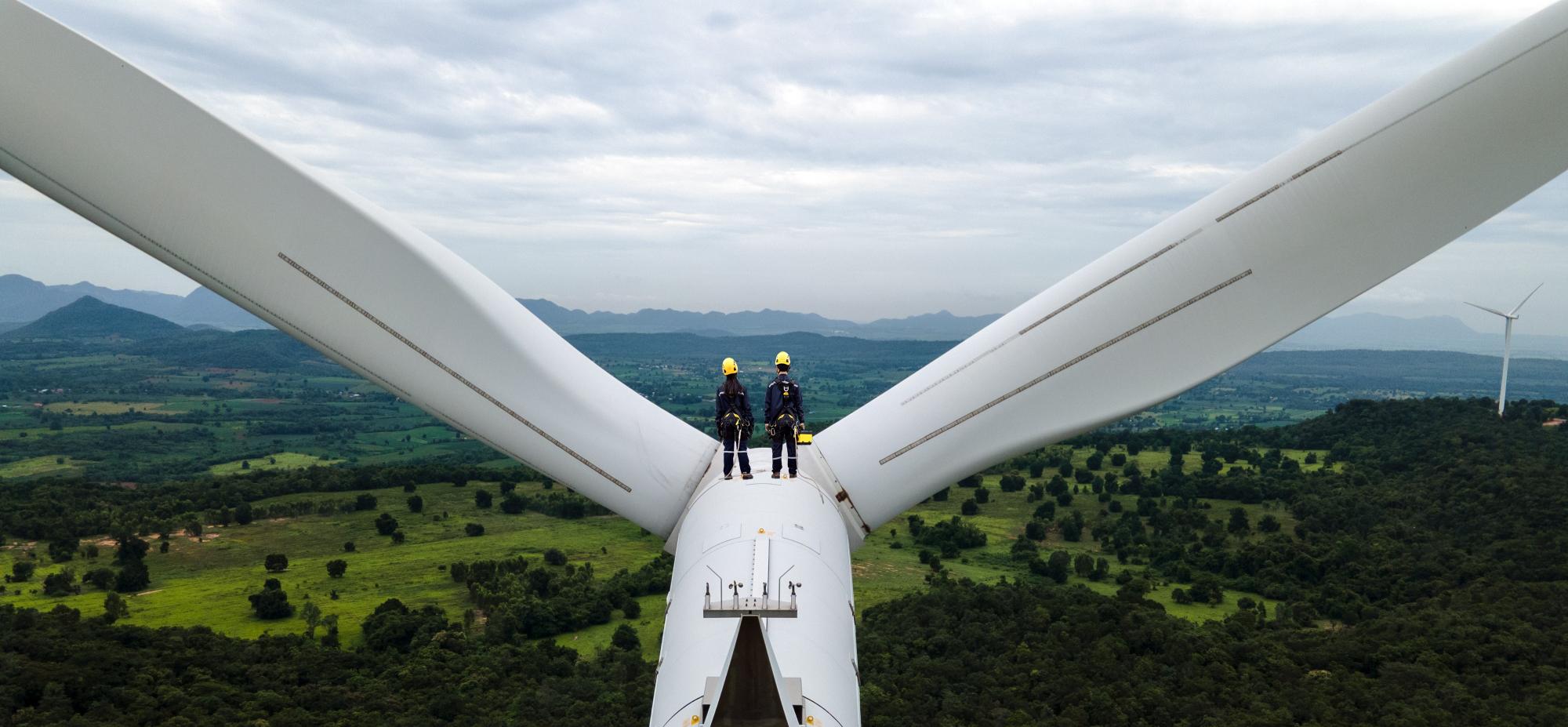
„Am Ende entscheidet die Stromrechnung über Dekarbonisierung, Wettbewerbsfähigkeit und Sicherheit. Der Iran-Konflikt führt uns das eindrücklich vor Augen.“
Worum geht es?
Wie die Energiewende Europa gegen Gas- und Ölpreisschocks wappnet, die durch den Konflikt im Nahen Osten bedingt sind.
Warum ist das so wichtig?
Seit der Energiekrise 2022 stärkt die EU mit massiven Investitionen in Erneuerbare ihre Energiesicherheit. Damit senkt sie Importkosten und federt die wirtschaftlichen Folgen volatiler Öl- und Gaspreise ab.
Die Geschichte in Zahlen
Erneuerbare lieferten 2024 und 2025 rund die Hälfte des Stroms in der EU und reduzierten damit drastisch Europas Abhängigkeit von Öl- und Gasimporten.
Irans Blockade der Straße von Hormus, durch die rund 20 Prozent der globalen Öl- und Flüssigerdgaslieferungen fließen, hat die Energiemärkte erschüttert. Das droht weltweit das Wirtschaftswachstum zu bremsen.
Die letzte Energiekrise traf die europäische Wirtschaft 2022 mit voller Wucht, als Russlands Angriff auf die Ukraine die Öl- und Gaspreise explodieren ließ. Als Reaktion investierten die EU‑Staaten Hunderte Milliarden Euro in saubere Energien – in der Hoffnung, sich besser gegen künftige Schocks zu schützen. Doch wie erfolgreich war diese Wende wirklich? Hat sich Europa aus der Abhängigkeit von volatilen fossilen Energiemärkten gelöst?
Die Antwort ist komplex. Der Umstieg auf saubere Energie schützt Europas Haushalte und Unternehmen bis zu einem gewissen Grad. Seit der Energiekrise von 2022 investiert Europa massiv in Erneuerbare wie Wind- und Solarkraft. 2024 und 2025 deckten diese Anlagen rund die Hälfte des Strombedarfs. Wind und Sonne allein reichten aus, um alle Haushalte in der EU mit Strom zu versorgen.
Doch die europäische Wirtschaft bleibt anfällig für Ölpreisschwankungen – besonders im Verkehrssektor. Zudem wurde sie abhängig von Flüssigerdgas (LNG), als die russischen Gaslieferungen während des Schocks 2022 versiegten. Erdgas ist eine wichtige Heizenergiequelle. Nach einem relativ kalten Winter muss Europa nun seine LNG-Vorräte wieder auffüllen – möglicherweise zu 70 Prozent höheren Preisen, sollte der Konflikt andauern.
„Das ist der Preis, den wir für den Import von Öl und Gas zahlen. Die Frage ist nicht, ob der Krieg die Versorgung stört, sondern wie lange er die Preise hochhält“, sagt Fotios Kalantzis, Senior Economist bei der Europäischen Investitionsbank und Experte für Klima und Energiewende. „Die einzige langfristige Lösung ist der Ausbau sauberer Infrastruktur und die Abkehr von fossiler Energie.“
Hier erfahren Sie anhand von fünf Grafiken aus dem Investitionsbericht 2025/2026 der EIB (Chapter 6: Securing Europe’s green and competitive future), wie Europa bei der Energiewende vorankommt, welche aktuellen Hürden bestehen und wie der Weg in die Zukunft aussehen kann.
MONTENEGRO EDUCATION PROGRAMME
Construction and/or renovation of public education infrastructure including kindergartens, elementary (primary) schools, gymnasium (secondary) schools and vocational education schools. The project also includes provision of new ICT equipment and furniture for schools and specific equipment for vocational schools.