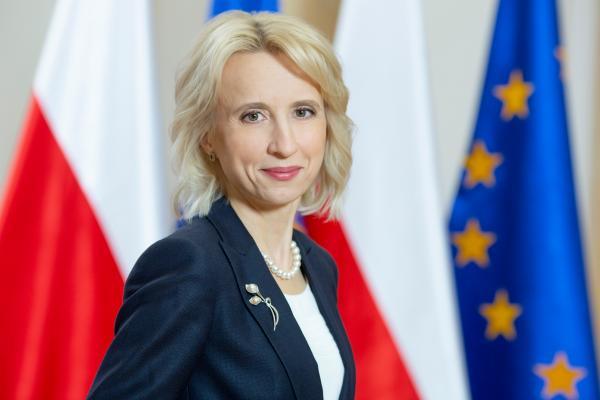
"Today's decision of the Polish government to join the pan-European guarantee fund (EGF) is very good news for the Polish economy," said Prof. Teresa Czerwińska, vice-president of the EIB, who oversees operations in Poland. “The guarantee fund, which has just started its operational activity, has been created in a spirit of solidarity by the Member States of the European Union and the European Investment Bank. It is an important element in supporting Polish entities, especially small and medium-sized enterprises (SMEs), affected by the COVID-19 pandemic. The € 25 billion guarantee fund will provide financing to European companies that are viable in the long term, but struggling with the difficulties caused by the current pandemic. At least 65% of the funding is dedicated to SMEs in Europe. As part of mobilizing funds in Poland, the EIB will cooperate with domestic financial institutions, including the national promotional bank Bank Gospodarstwa Krajowego. The EGF is yet another initiative in which Member States and EU institutions join forces in creating new instruments of aid and support for the economy and society. It is worth reminding that since the beginning of the pandemic, the EIB has provided € 24.9 billion for projects related to the fight against COVID around the world. "